La Rificolona: Unisex Bespoke Shoes in Kobe
//Author: Masayuki Kaneko
This article is written by The Makers Guild based on first-hand reporting and interviews with La Rificolona.
Many people admire the idea of owning bespoke shoes of their own, yet still feel “it seems intimidating” (a high psychological barrier) or “isn’t it for men?” La Rificolona, with its workshop in Kobe, overturns those assumptions and offers a place where anyone—regardless of gender or age—can meet a pair that feels true to themselves. In this article, we dive deeply into the brand’s philosophy and practice through the lens of “5C”: Craft (making), Comfort (wearing), Care (maintenance), Cost (price), and Continuity (ongoing support and supply), and we unpack why so many people are drawn to La Rificolona.
Supplement: If you are researching bespoke shoes in Kobe or looking for unisex bespoke shoes, the 5C viewpoint can help you compare options and identify what to ask before placing an order.
La Rificolona Opens a New Horizon for Bespoke
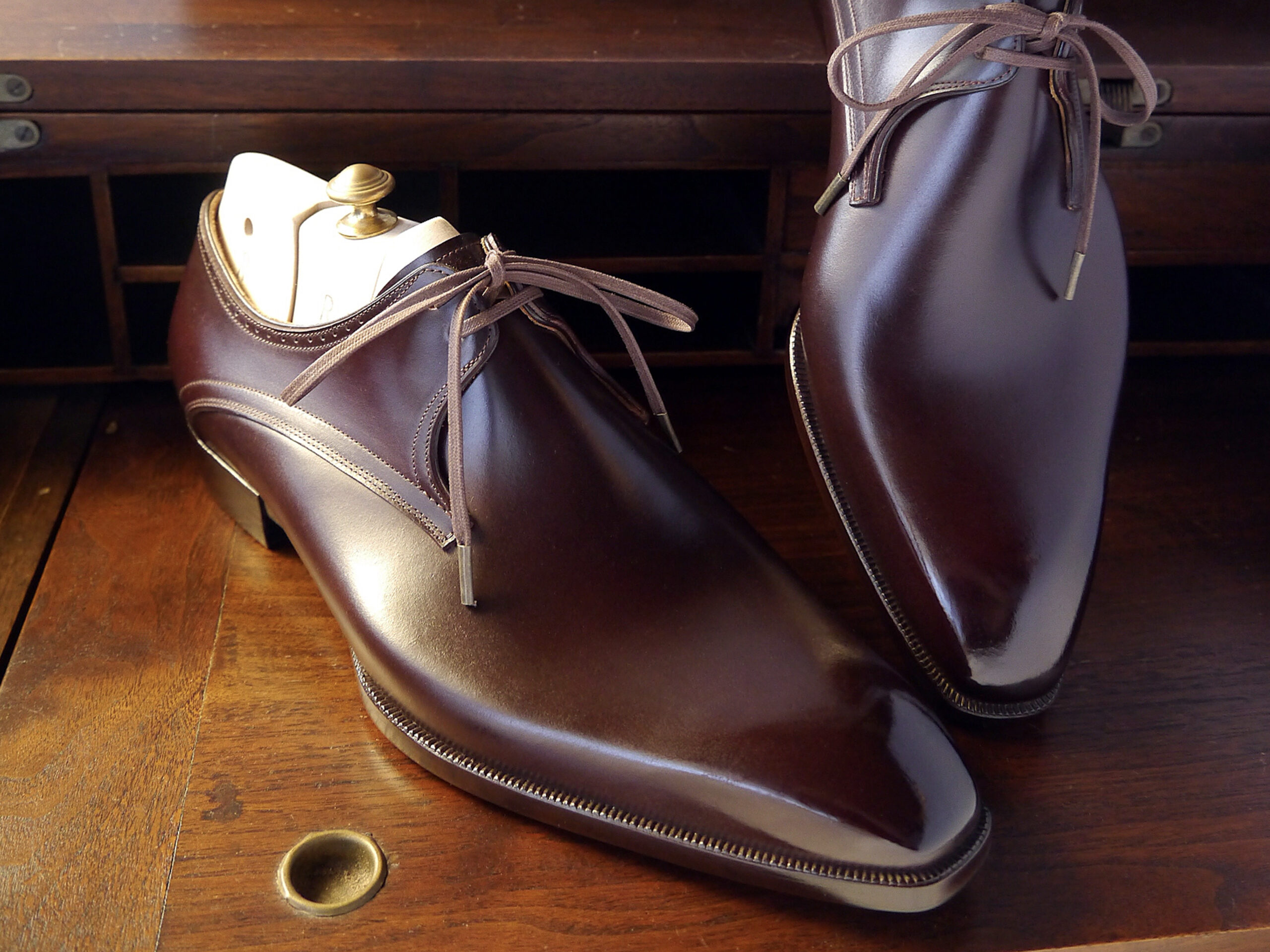
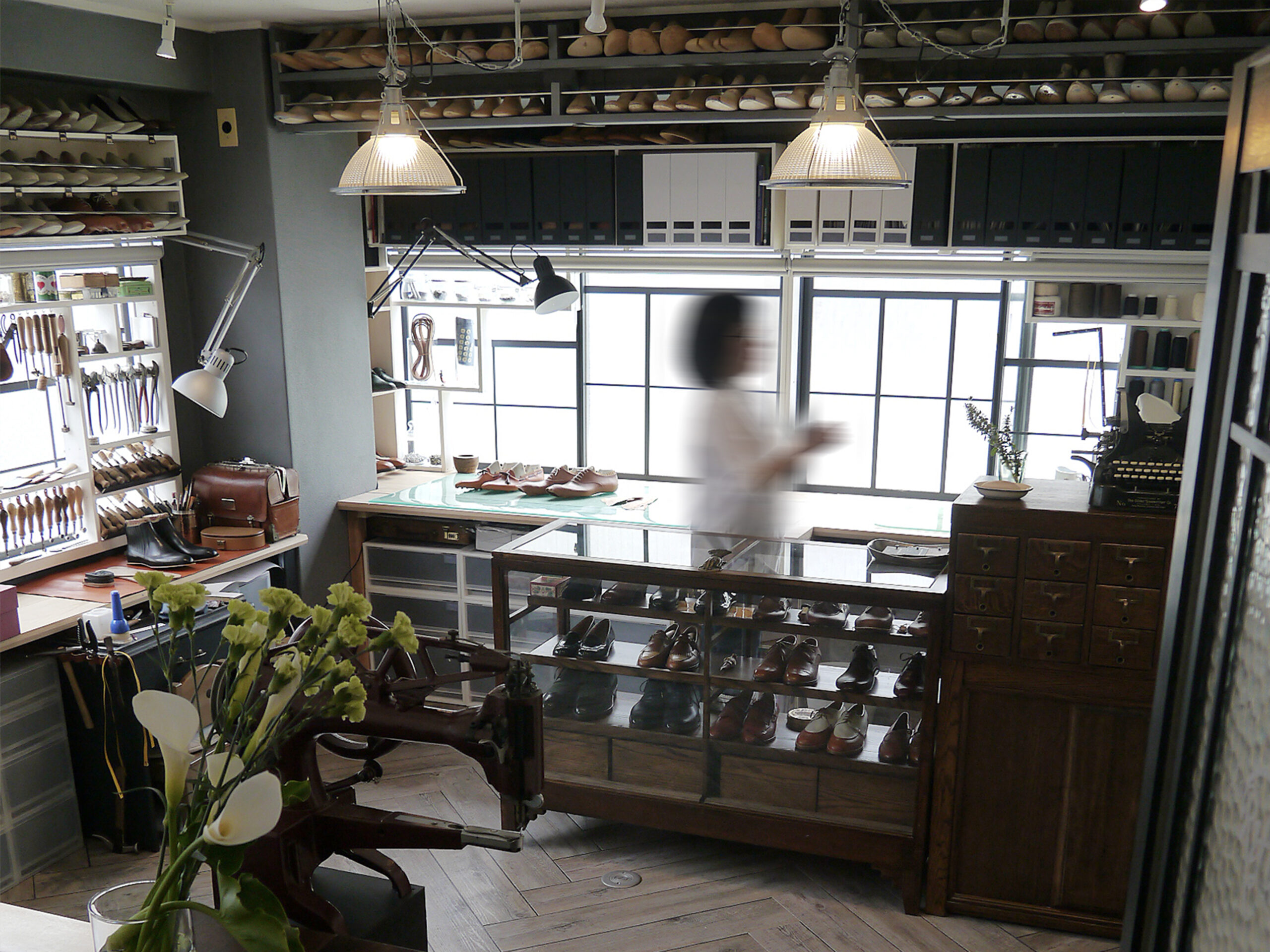
La Rificolona, based in Kobe, is not merely a bespoke shoemaker. With Florence’s traditional techniques as an unshakable foundation, they fuse a contemporary value—“unisex design that anyone can wear, regardless of gender or age”—and open the door wide to made-to-order shoes that have often been treated as the realm of a limited group of enthusiasts. At the core is a customer-first stance: they sincerely face each person’s foot concerns, design wishes, and the very real constraints of budget, and then propose a flexible range of constructions and price bands. As a result, they offer the joy of owning and “growing” a true pair to people who previously gave up on ordering shoes. This is a horizon that becomes possible only when technical strength in Craft (making) and deep consideration for Cost (price) coexist.
Supplement: For first-time clients, discussing construction choices, fitting priorities, and budget ranges early can make a bespoke shoe consultation feel more approachable without compromising craftsmanship.
Where Florence Tradition Meets a Japanese Sensibility
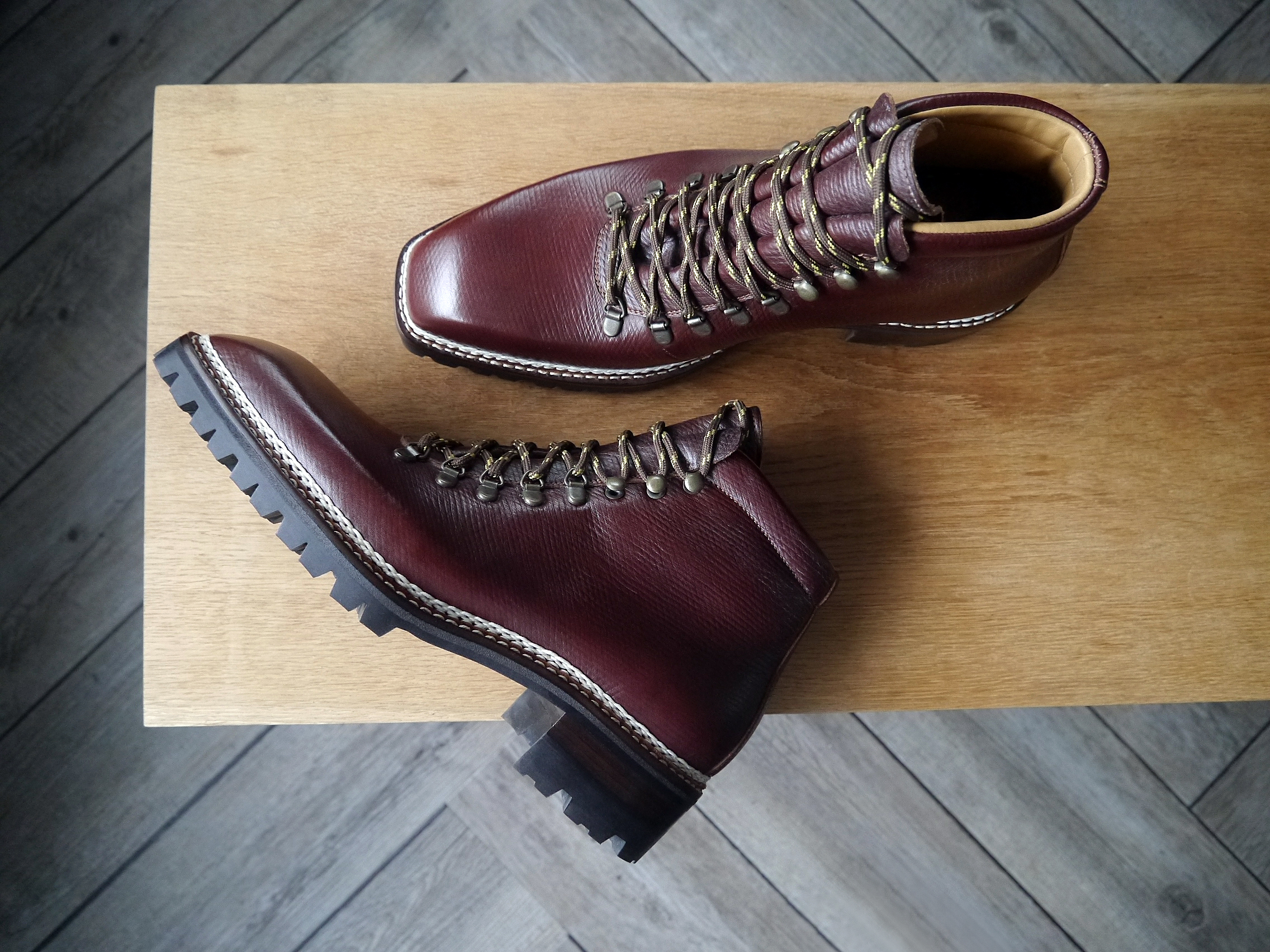
What supports La Rificolona’s shoemaking is the dense time they spent at “Mannina,” a long-established shoe shop in Florence. From their mentor, the late Calogero Mannina, they inherited Florence’s traditional style—rustic yet beautiful—symbolized by a rounded, voluminous round toe. However, they do not simply imitate the technique. For example, the playful choice to have the artisan hand-dye the sole (outsole) to match the upper color, and their ongoing collaboration with embroidery artist Yumiko Arimoto’s brand “SINA SUIEN,” are prime examples. If “traditional shoemaking” refers to a static inheritance of technique, then their practice can be called a dynamic process: they take in sensibilities from other fields and sublimate them into new creation. This flexibility in Craft (making) is the most important core of the spirit they inherited from their mentor, and it supports the brand’s Continuity (ongoing support and supply).
Supplement: For readers outside Japan, this balance—Florentine technique with locally rooted creativity—helps explain why La Rificolona stands out among custom-made shoes in Japan.
Mastering Three Order Systems
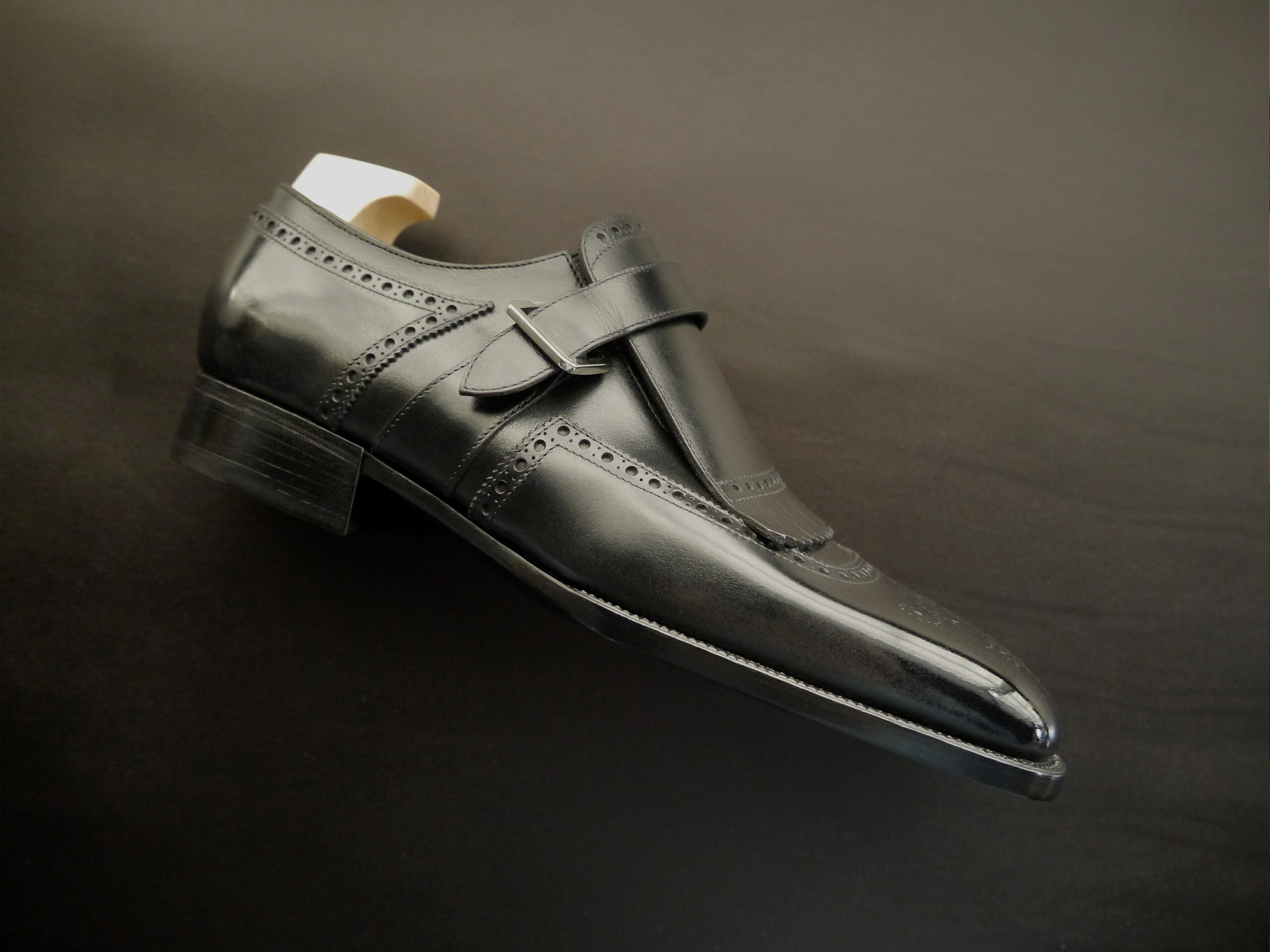
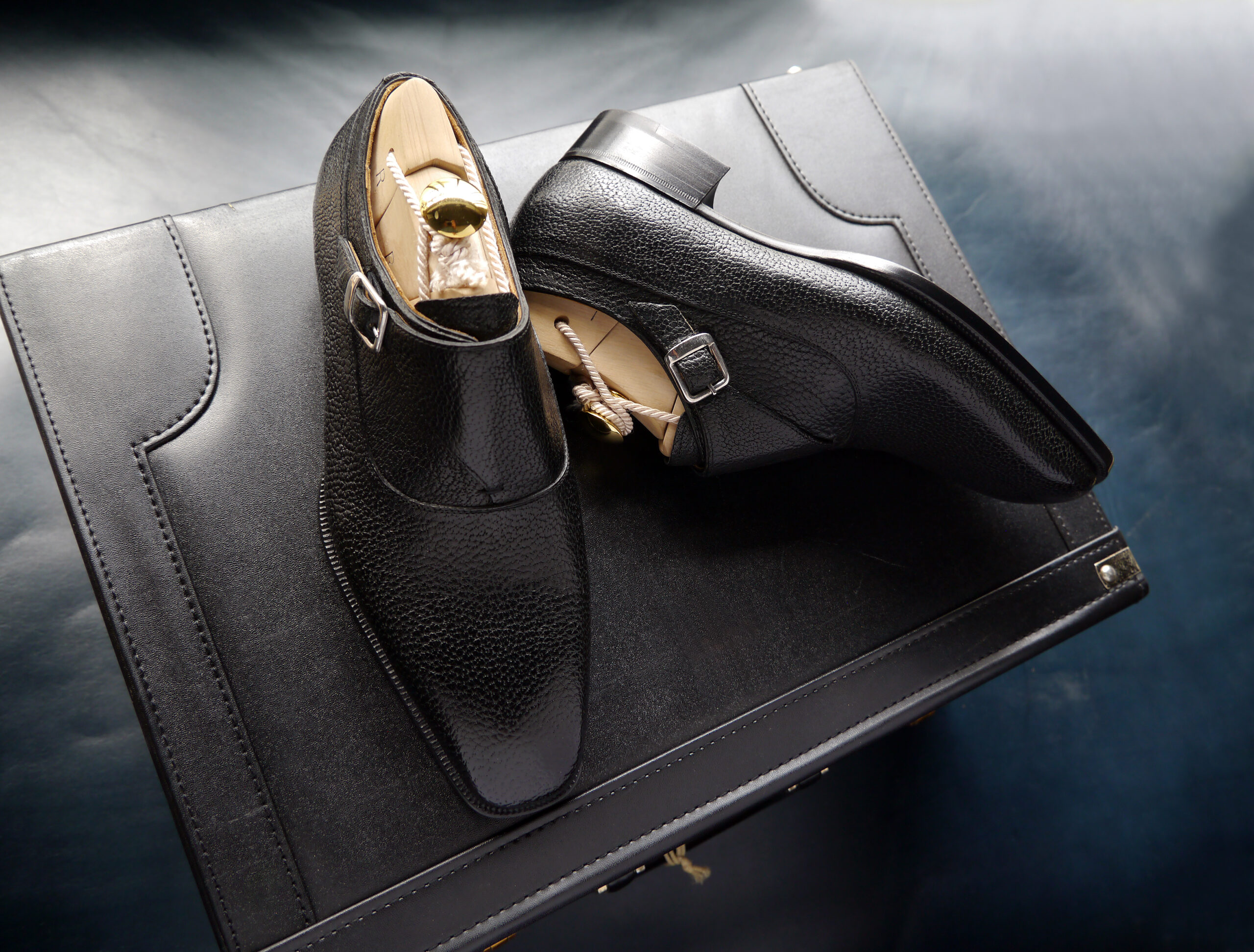
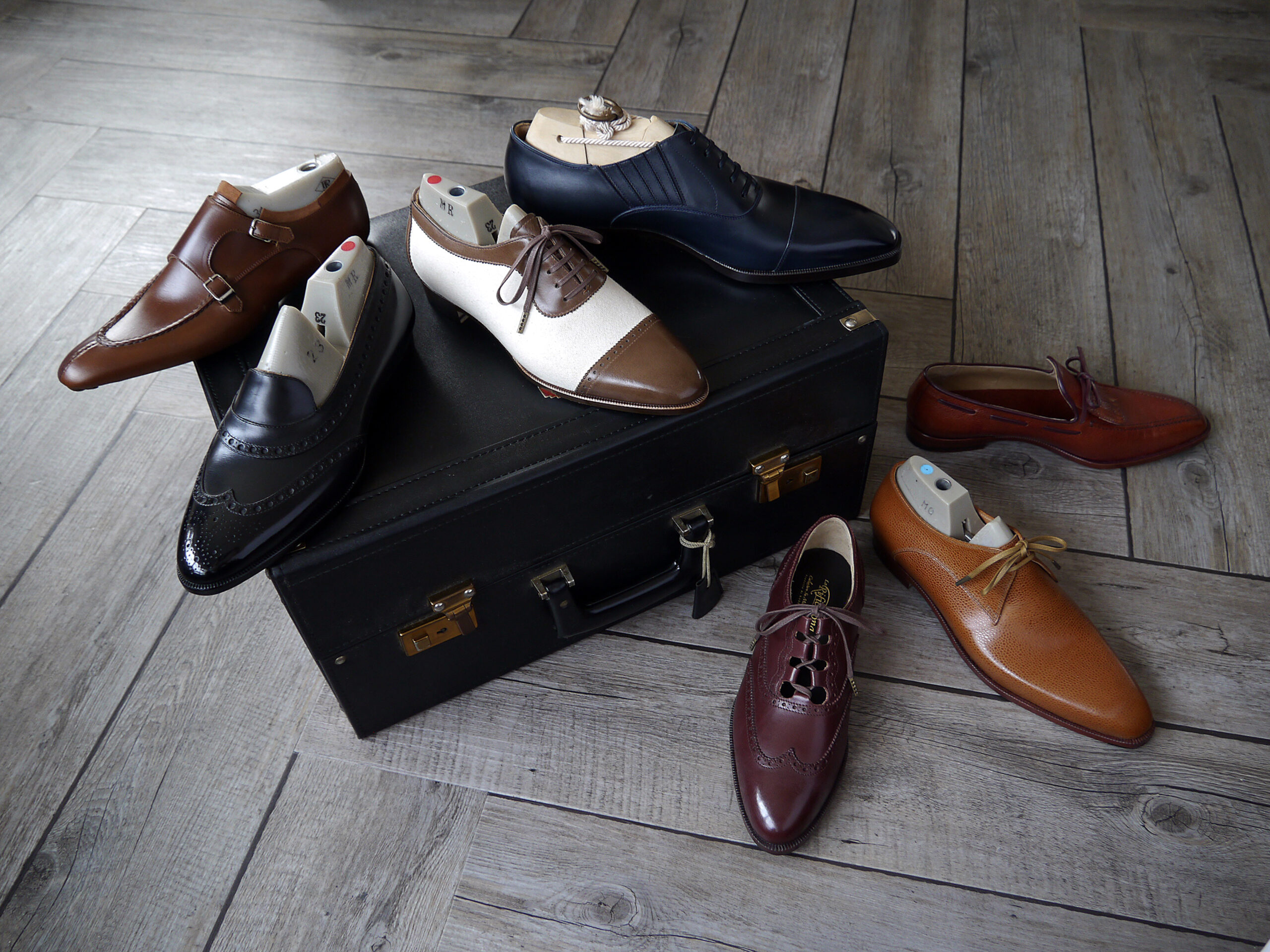
La Rificolona offers three stages of ordering: “pattern order,” “semi-order,” and “bespoke (full order).” This is not merely a tiered structure of Cost (price); it is an extremely practical approach that visualizes the trade-off between the fit (Comfort) a client seeks and the degree of design freedom. Pattern order, priced from around the ¥90,000 range, dramatically broadens the entrance to bespoke shoes. On the other hand, full order, priced from around the ¥190,000 range, promises the ultimate personalization that fully accommodates differences between the left and right foot. What matters here is the ability to assess your own foot condition and demands objectively. For example, if you do not feel major problems with ready-made shoes but want to be particular about design, semi-order can be the optimal solution. The abundance of options itself gives each client the enjoyment of participating in the ordering process as something personal—“this is about me.”
Currency conversion not applied.
Supplement: In Japan, “pattern order” often means selecting from established patterns with measured adjustments; clarifying what can and cannot be changed makes the trade-off easier to manage.
The Philosophy of “Not Being Fixed” Across Constructions
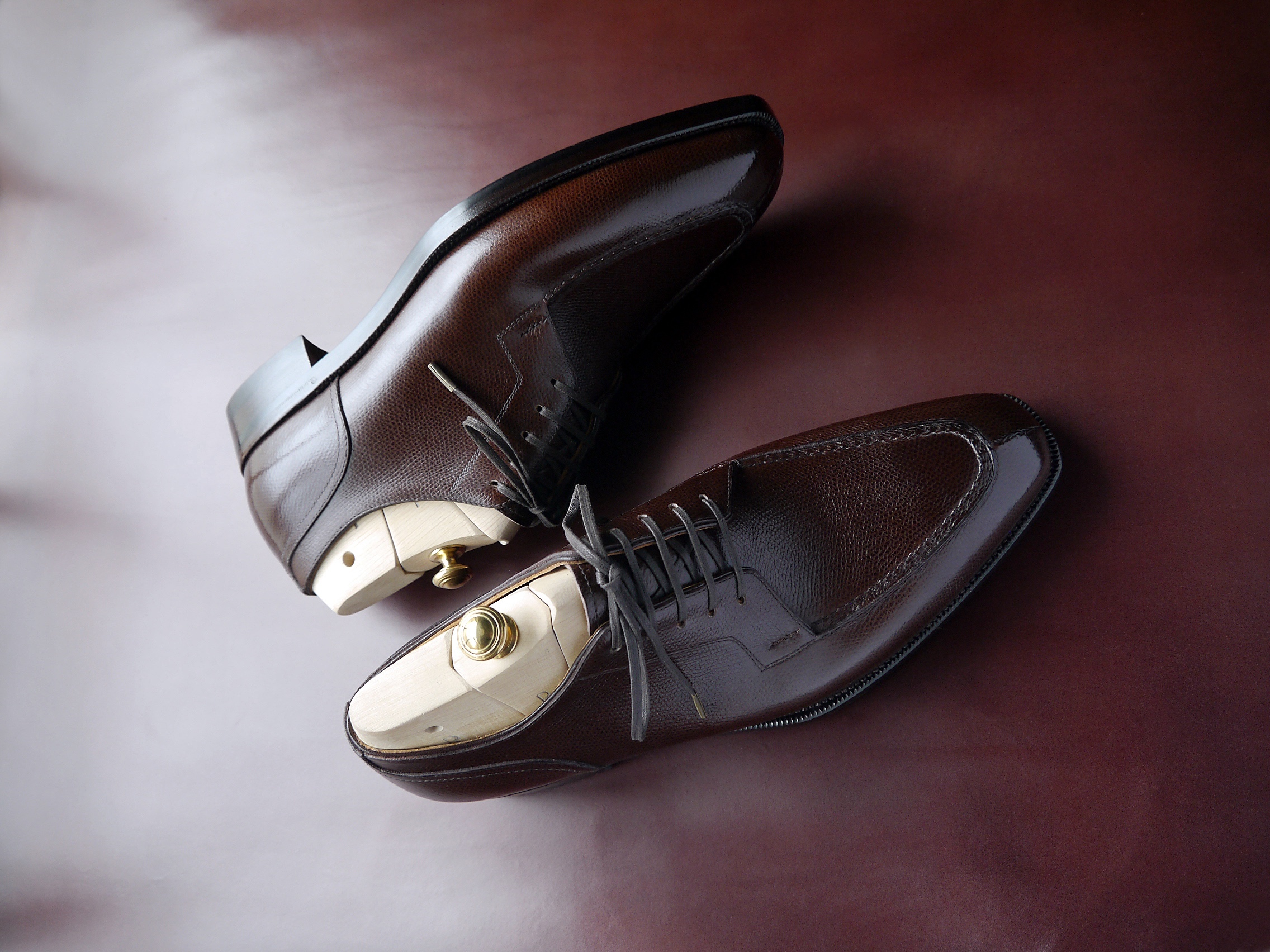
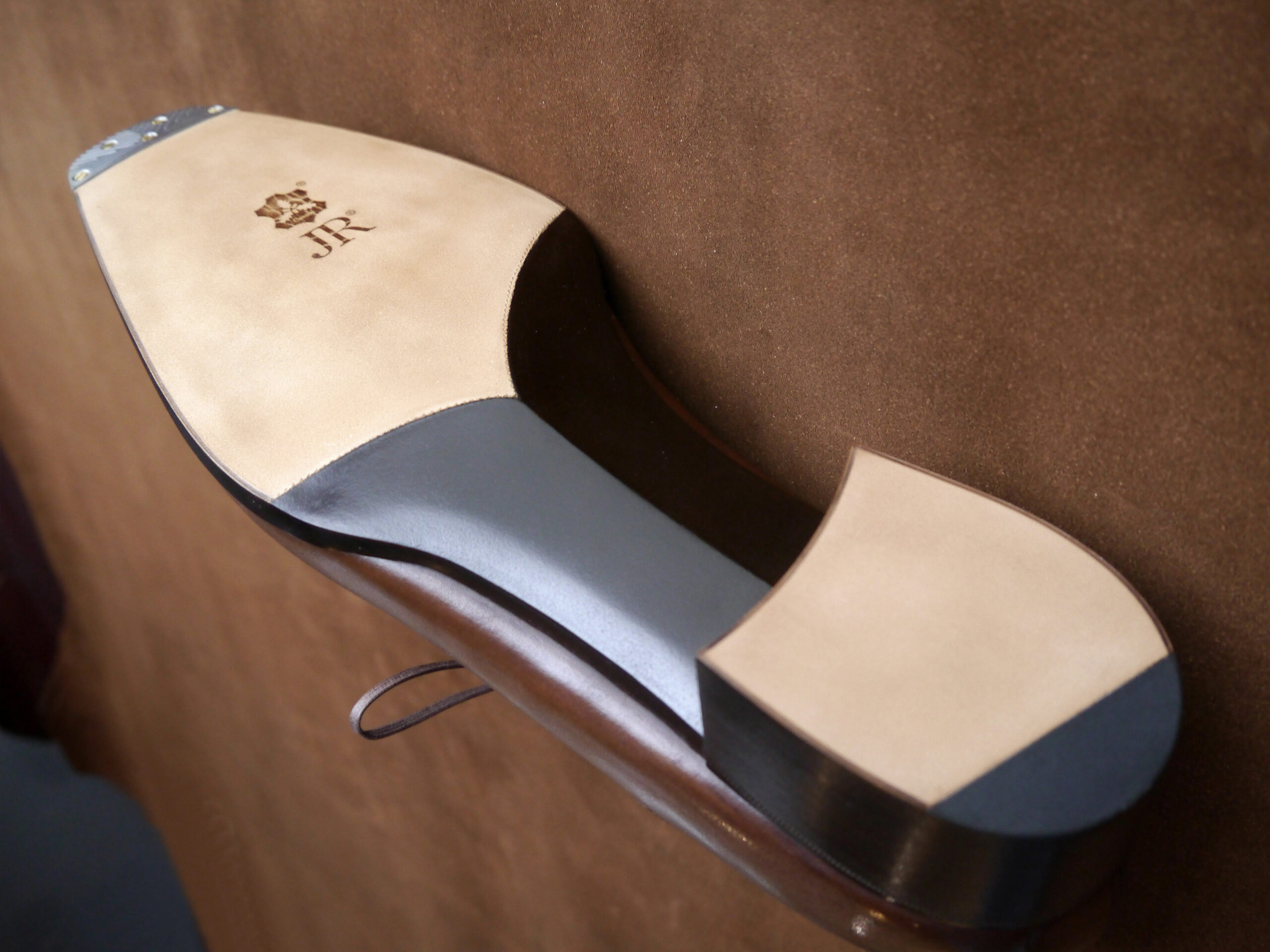
In the world of bespoke, there is a persistent tendency to treat certain constructions—especially hand-sewn welted construction (hand-sewn welted)—as supreme. However, La Rificolona is not bound by that assumption. As they say in the interview, “We don’t want to impose what the maker prefers,” they freely use and switch between as many as eight constructions depending on design and budget: not only hand-sewn, but also McKay, Norwegian welt, Bologna construction, and more. This stance of “not being fixed” is precisely their biggest commitment. This philosophy is deeply rooted in their mentor Mannina’s teaching: “Rather than buying one hand-sewn pair for ¥300,000, it’s better for both the shoes and the customer to buy two or three pairs made with McKay and rotate them.” It is an optimization of Craft (making) and Cost (price) from a broader perspective that enriches the customer’s entire lifestyle, rather than deifying a single luxury item. By expanding the choices of construction, customers can find the pair that best matches their own values.
Supplement: When comparing hand-sewn, McKay, Norwegian welt, or Bologna construction, consider rotation, durability, and maintenance to define what “best” means for your daily life.
Pursuing Fitting That Becomes One With the Foot
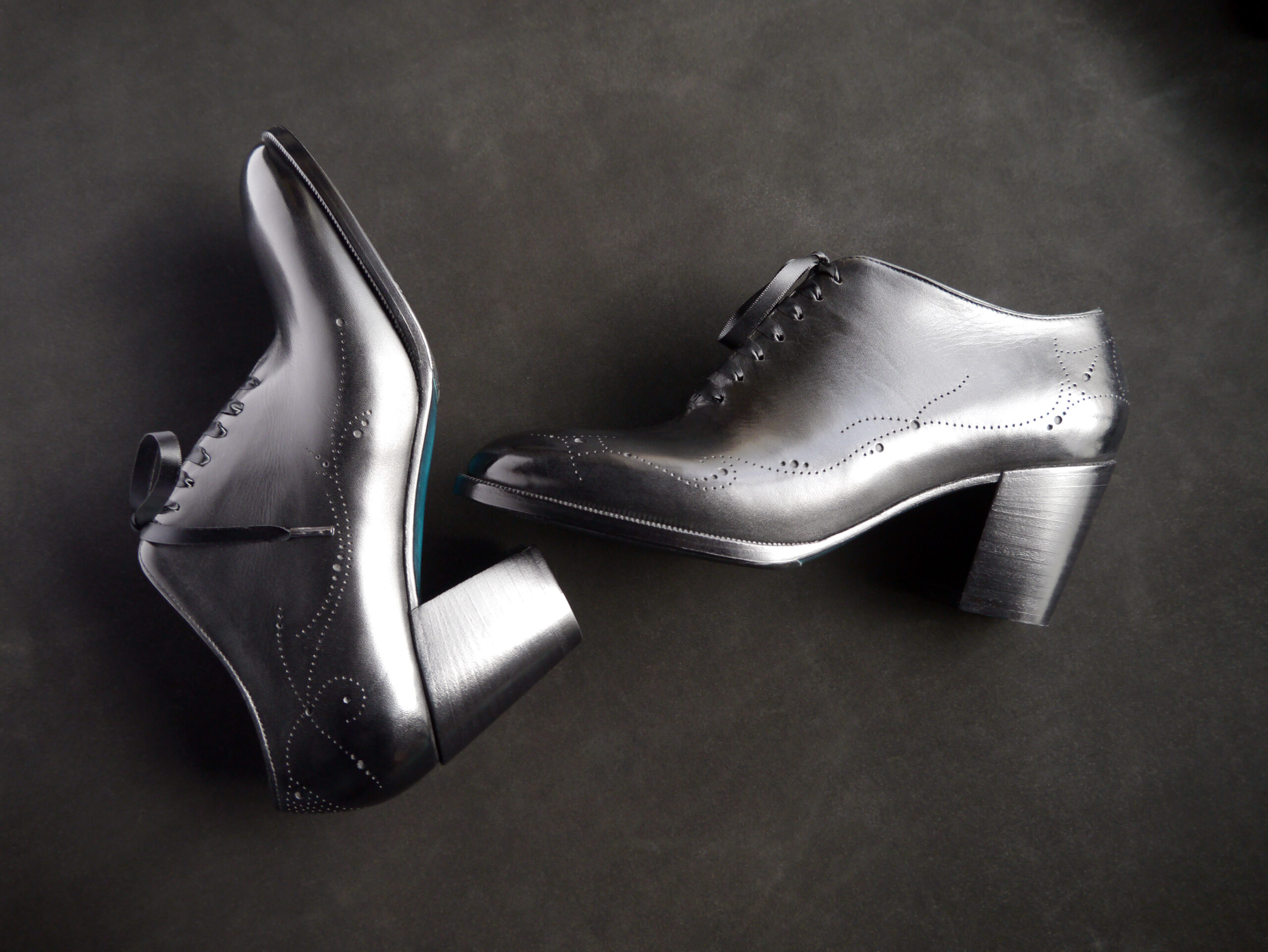
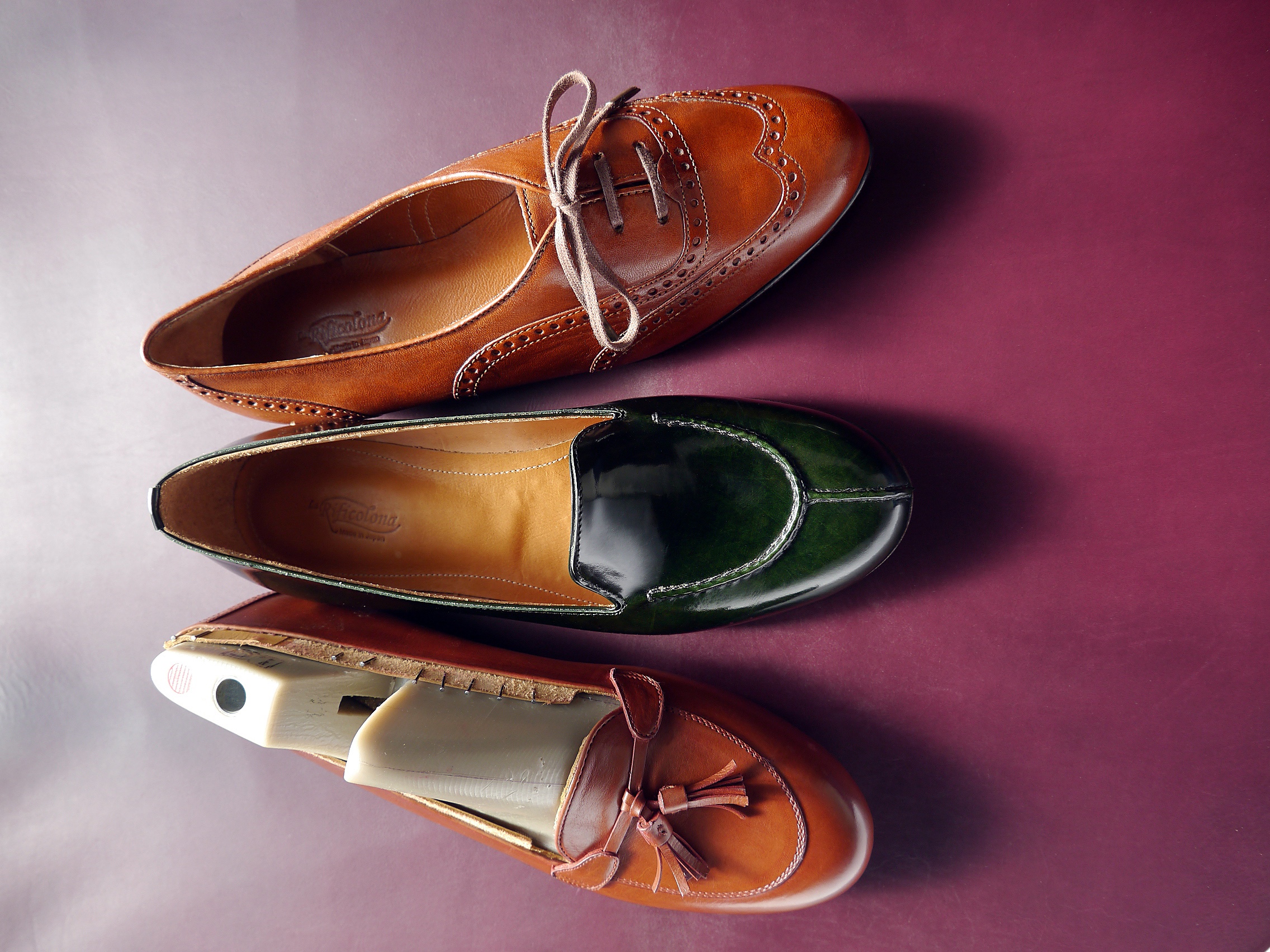
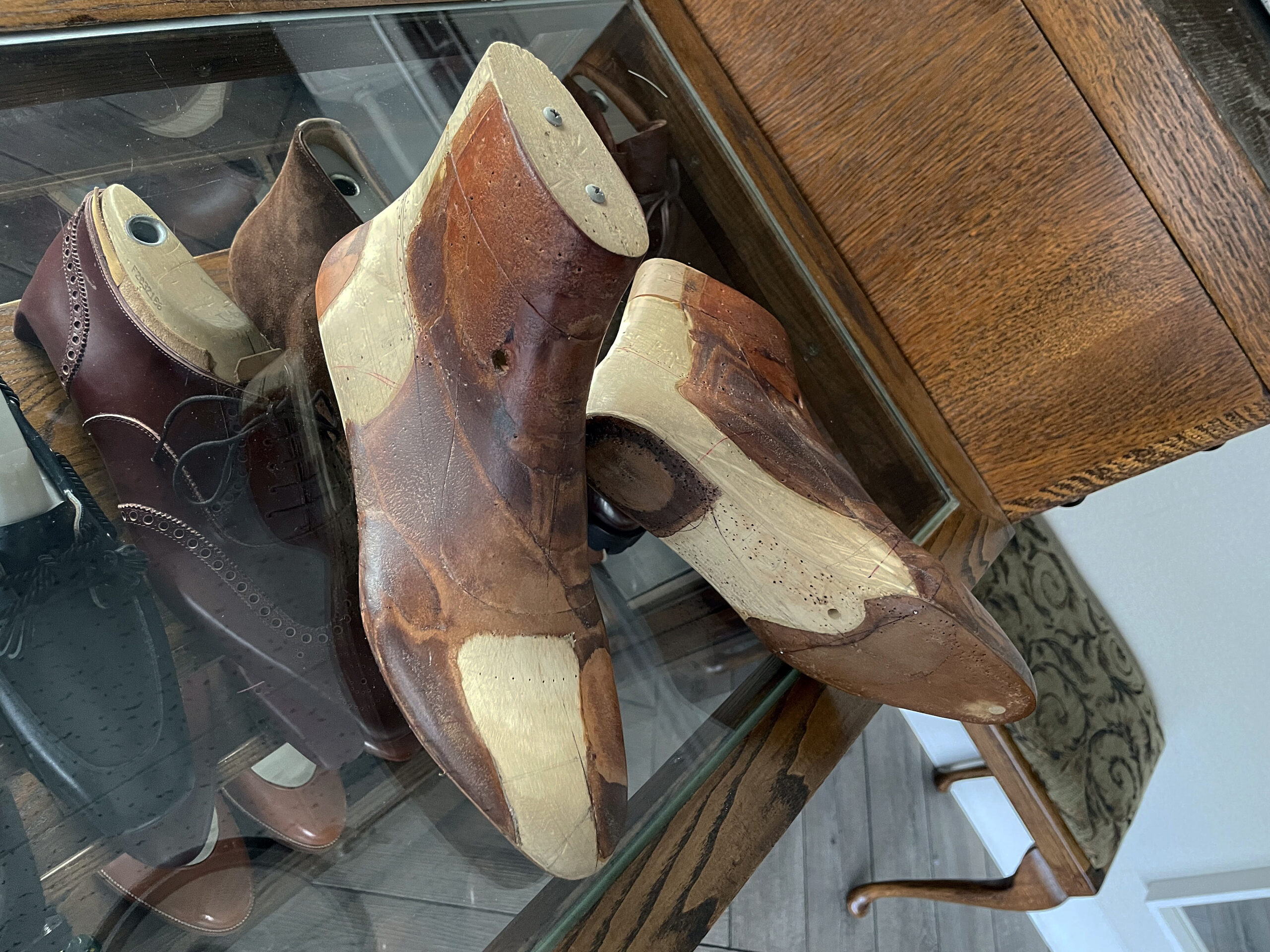
“We realized there are far more women with foot issues than we imagined, and we aim to make a wide range of footwear, including pumps.” In this single sentence from the interview lies La Rificolona’s origin. The Comfort they pursue is not merely numerical fit. They read even subtle differences between the left and right foot, and when necessary, carefully verify fitting with trial shoes (a basted fitting shoe). This process is also an opportunity for clients to understand their own feet deeply. Their concrete practices—such as using beautiful lasts made by the Florentine lastmaker “Formificio Romagnolo,” then adjusting details like making the heel cup smaller to suit Japanese foot shapes—are how they reconcile design with comfort. For those who have experienced foot pain from ill-fitting shoes, the sensation of “the foot and shoe becoming one” will likely be a moving experience. This also connects to ease of Care (maintenance) after purchase, forming an important foundation for long-term wear.
Supplement: Sharing where discomfort occurs (toes, instep, heel) helps the atelier propose targeted fitting adjustments while preserving the design you want.
What the Last Disciple of Mannina Carries Forward
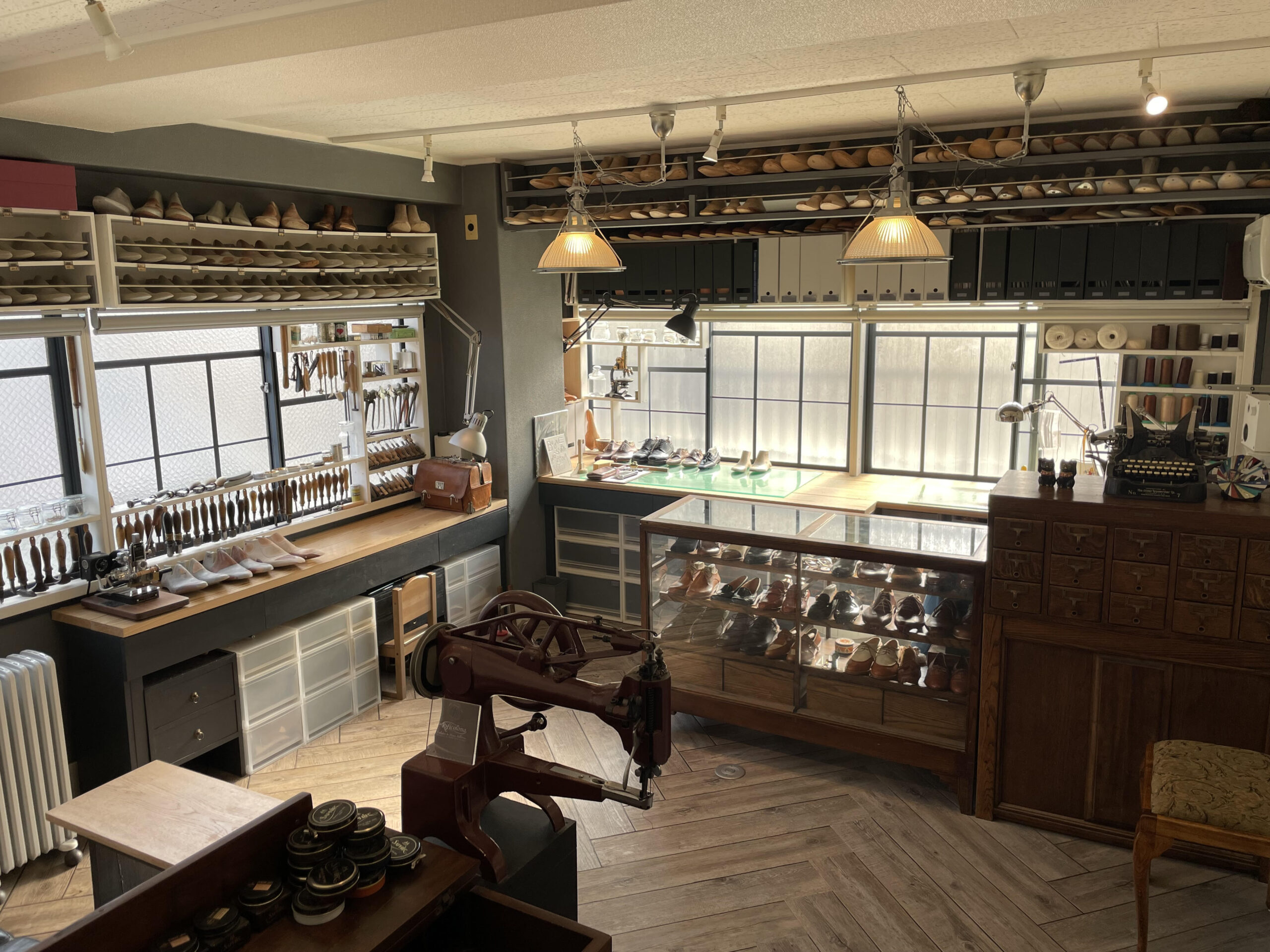
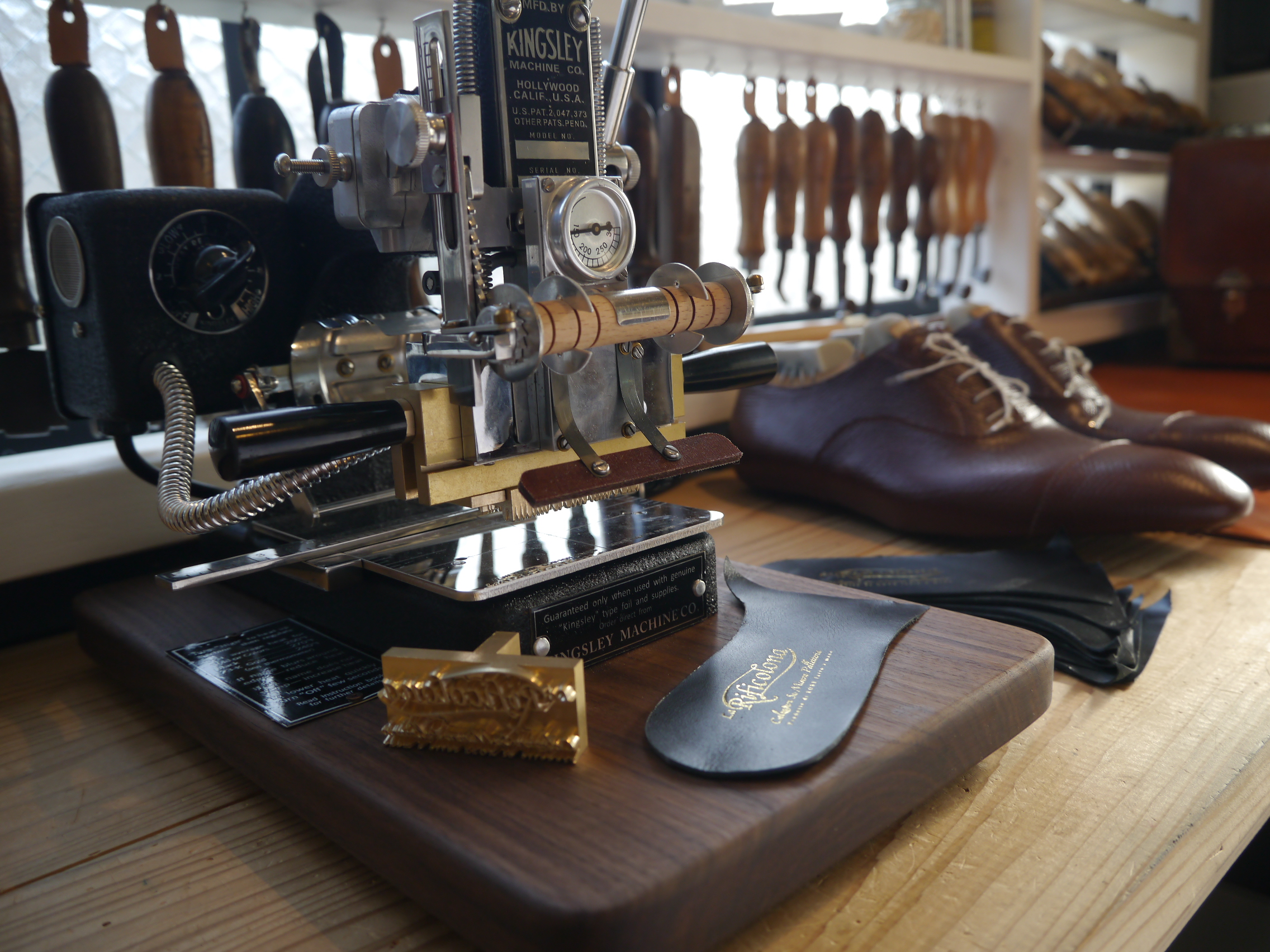
After the sudden passing of their mentor Calogero Mannina, the Nakata couple unexpectedly became “the last disciples of Mannina.” More than the fact of having learned techniques, this experience engraved in them a deep sense of responsibility toward Continuity (ongoing support and supply). A client’s last, once made, is carefully stored at the atelier as “for life,” and is used for orders from the second pair onward. This is a sign of strong will not to end the relationship with the customer as a one-time transaction. In addition, Mayumi’s experience working at an Italian shoe repair workshop gives exceptional reliability on the Care (maintenance) side, including repairs and post-purchase support. They do not simply hand over a product; they look ahead to support that allows the shoes to remain with the customer’s life. This long-term perspective may be the most valuable legacy they inherited from Mannina.
Supplement: If you value repairs and resoling, asking about maintenance policy and typical turnaround times can make “continuity” concrete before you commit.
Trade-offs to Understand Before You Order
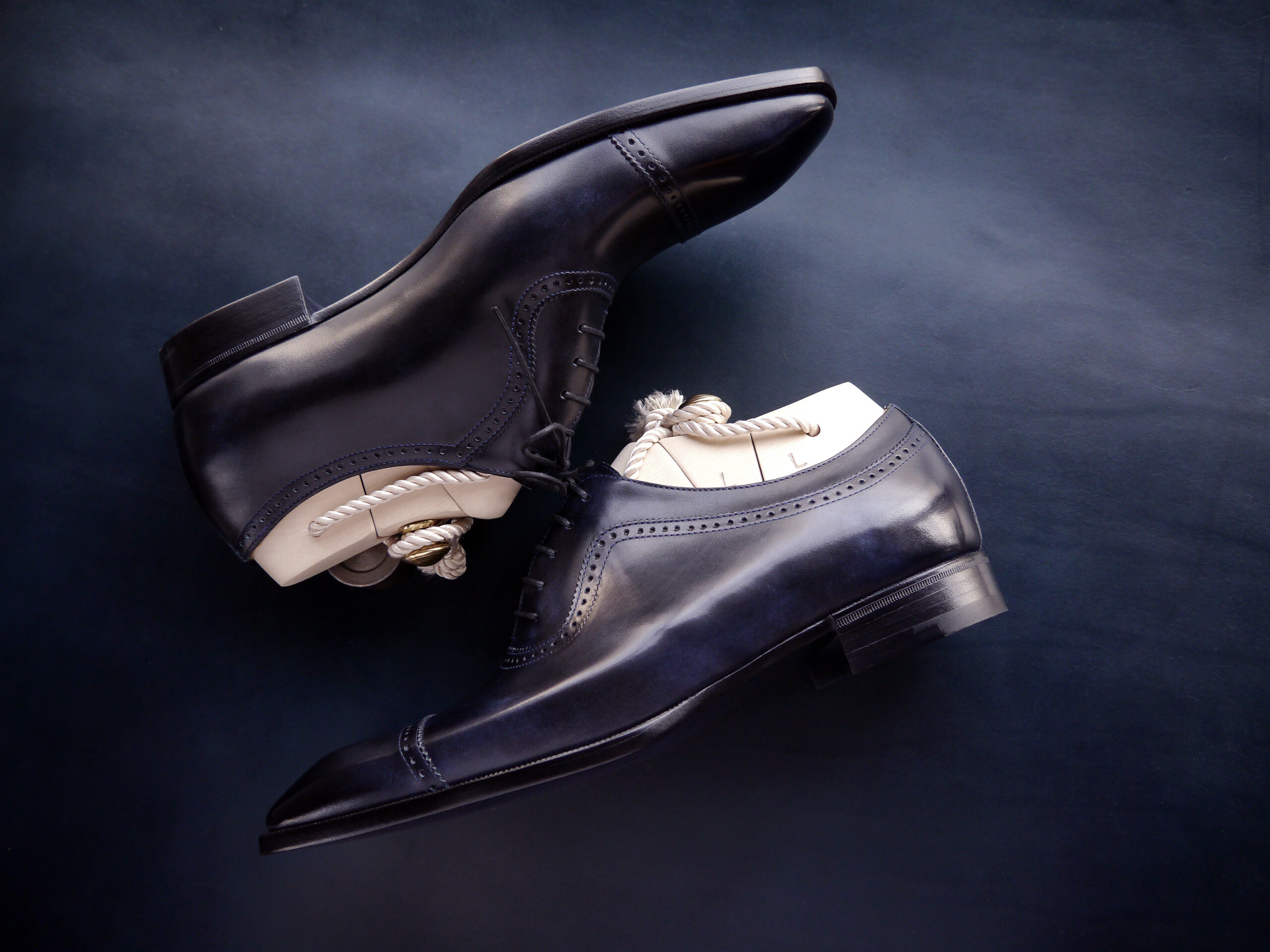
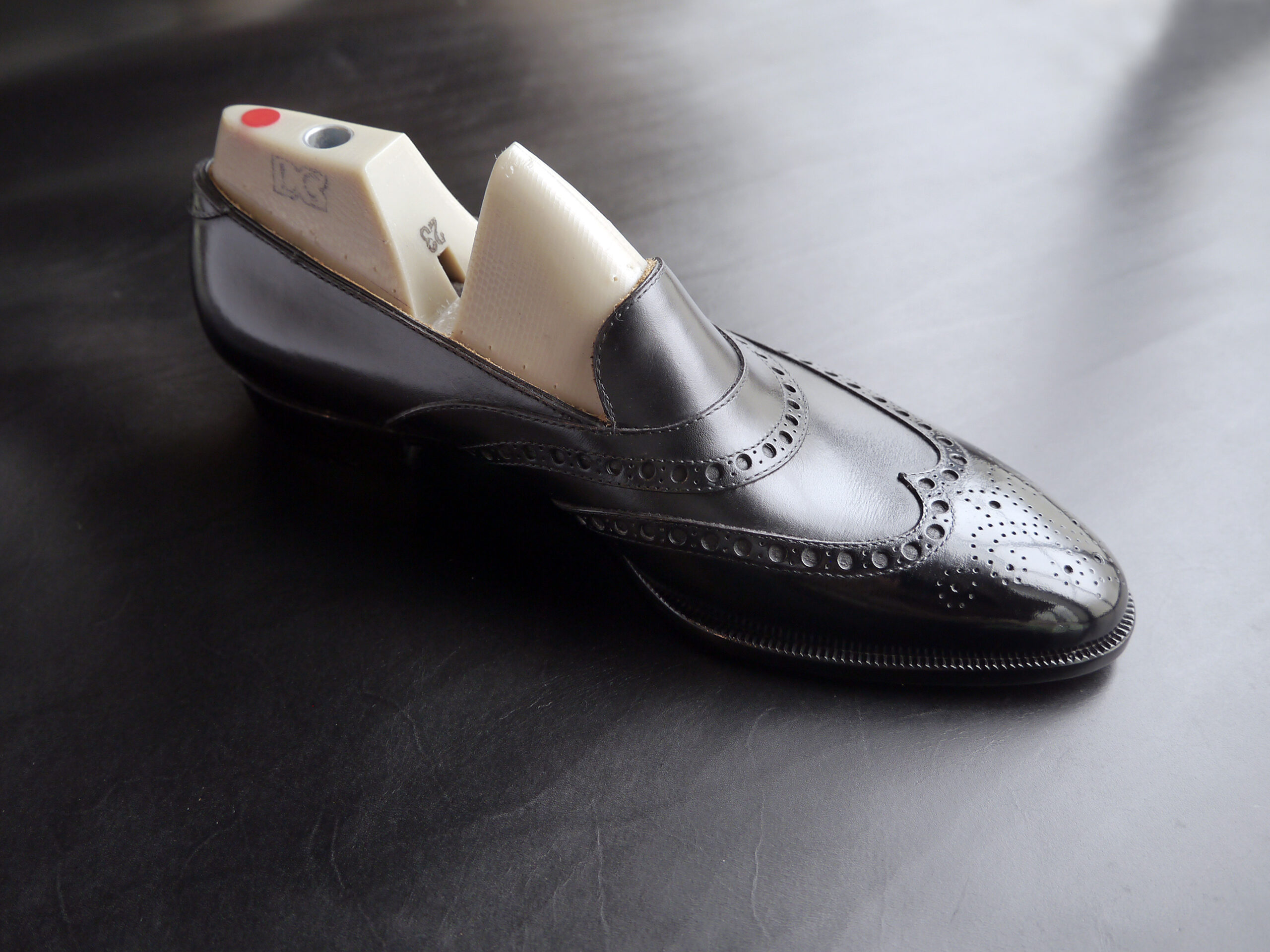
The breadth of options that is La Rificolona’s appeal also means that clients themselves bear “the responsibility to choose.” For example, it may be possible to select rare materials such as “Russian calf,” but that inevitably raises Cost (price), and demands Care (maintenance) knowledge appropriate to that material. Also, because the two of them handle all processes, lead times are 4–10 months even for pattern order, and 1–1.5 years for full order. This does not align with today’s consumption speed that expects things “right away.” Understanding these trade-offs—price, materials, and delivery time—beforehand and weighing them against your own lifestyle and values becomes an important Cautions point for getting a pair you will not regret. It can also be said to be the true pleasure unique to bespoke: maker and wearer learn from one another and build the ideal pair through mutual understanding.
Supplement: For overseas orders and international shipping, confirm timelines and care requirements early so you can decide materials and specifications with confidence.
Meeting a Pair That Engraves Your Story
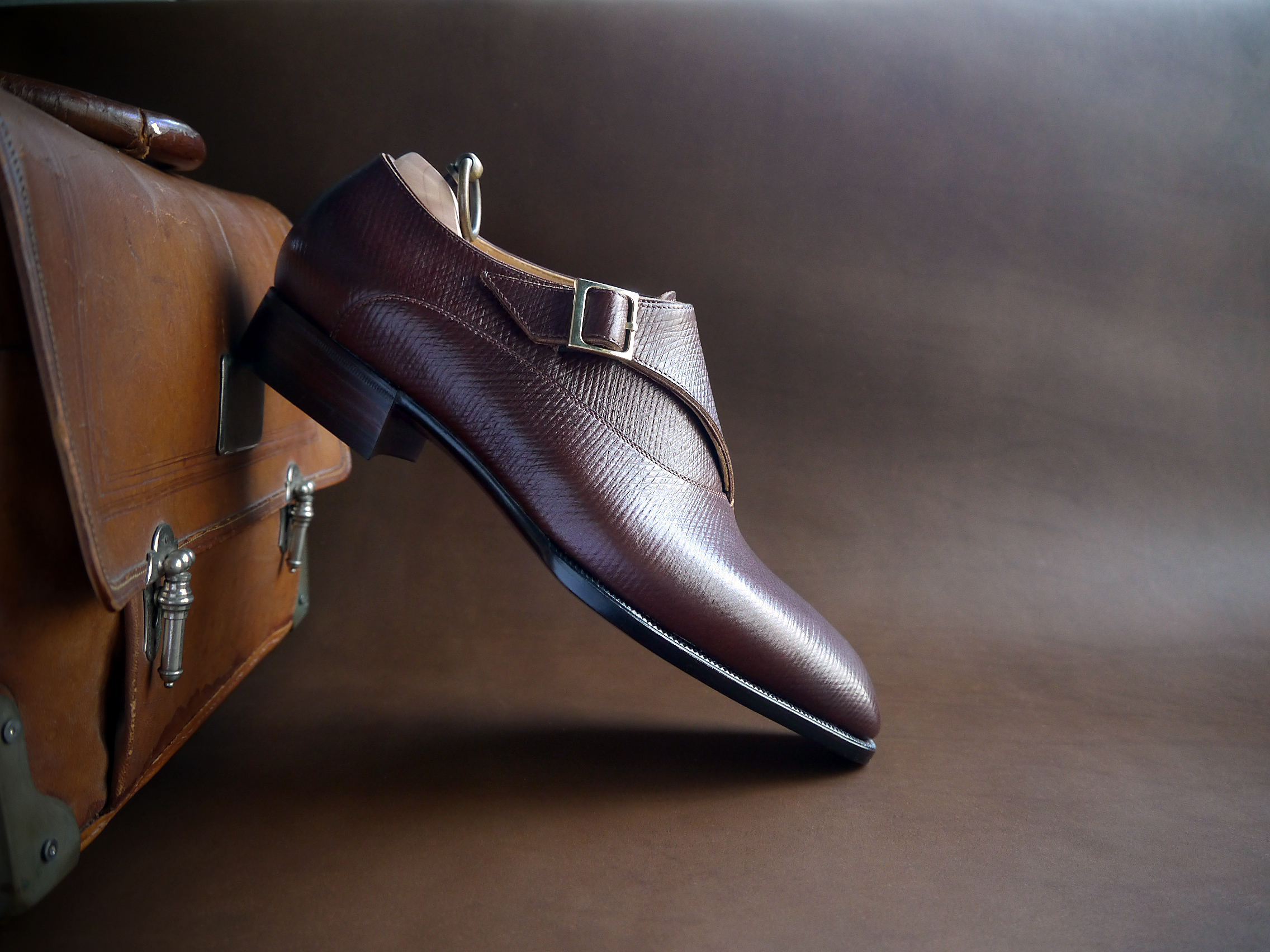
What La Rificolona provides is not merely a product called “shoes.” It is a craft object filled with an extremely personal story, born through dialogue between the makers—the Nakata couple—and the wearer, the client. Traditional Craft (making) inherited in Florence, and above all a flexible stance that stays close to the customer: a pair created from the fusion of these elements will, the more it is worn, settle into the owner’s foot and quietly mark the steps of their life. It will become a good companion in life, embodying the brand’s Continuity (ongoing support and supply) itself. From a room in a retro building in Kobe, why not begin a journey now to find the one pair that engraves your story? They also handle orders from overseas and international shipping.
Supplement: Preparing reference images, usage scenarios, and fit concerns can make the consultation smoother—especially when part of the bespoke process happens across borders.
Atelier Information
La Rificolona(ラ リフィコローナ)
Address: 1-3-5 Tamondori, Chuo-ku, Kobe, Hyogo — Hyogo Prefecture Fresh Noodles Association Building, 3F, Room F
Email: 10601tom@gmail.com
Website: https://www.larificolona.com
Hours: 9:00–18:00 (irregular holidays; advance contact required)
Instagram: https://www.instagram.com/la_rificolona/
Facebook: https://www.facebook.com/tom.nakata.5/?locale=ja_JP
X (Twitter): https://x.com/larificolona
“The Makers Guild” is an international community site that shares craft and shoe culture. We are currently welcoming sponsorships from partners who support our mission.
Sponsorship Information