Patrick Frei — German bespoke shoemaker, craft into art
Published:
/
Updated:
/
Author: Masayuki Kaneko
This article includes first-hand information from an interview with Patrick Frei. Specifications and pricing were accurate at the time of coverage and may change.
In bespoke, “perfection” is more than fit and finish. Shape, design, and materials should reflect the wearer so naturally that the shoe feels like part of the person. Based in Freiburg, Germany, Patrick Frei is a bespoke shoemaker who pursues this ideal relentlessly. Each pair is built to become a “personal treasure and reliable companion.”
At The Makers Guild we view bespoke through five lenses—Craft, Comfort, Care, Cost, and Continuity. Frei’s work stands out for hand-twisted thread, meticulous 40-minute measurements, leather trial shoes for fitting, and a 9–12 month build. Through these we clarify why his shoes captivate clients worldwide.
Shoes that become part of you — Patrick Frei’s philosophy
“With every project I aim to make the perfect shoe for that person,” says Frei. Perfection here means a shoe whose form and materials express the wearer. To reach that, he first understands purpose and what “comfort” means to the client—then designs accordingly.
He considers clothing, physique, and bearing to finish a pair that truly belongs to its owner. Many clients come to see their shoes as a “true partner”—a sign that the work goes beyond technique into relationship.
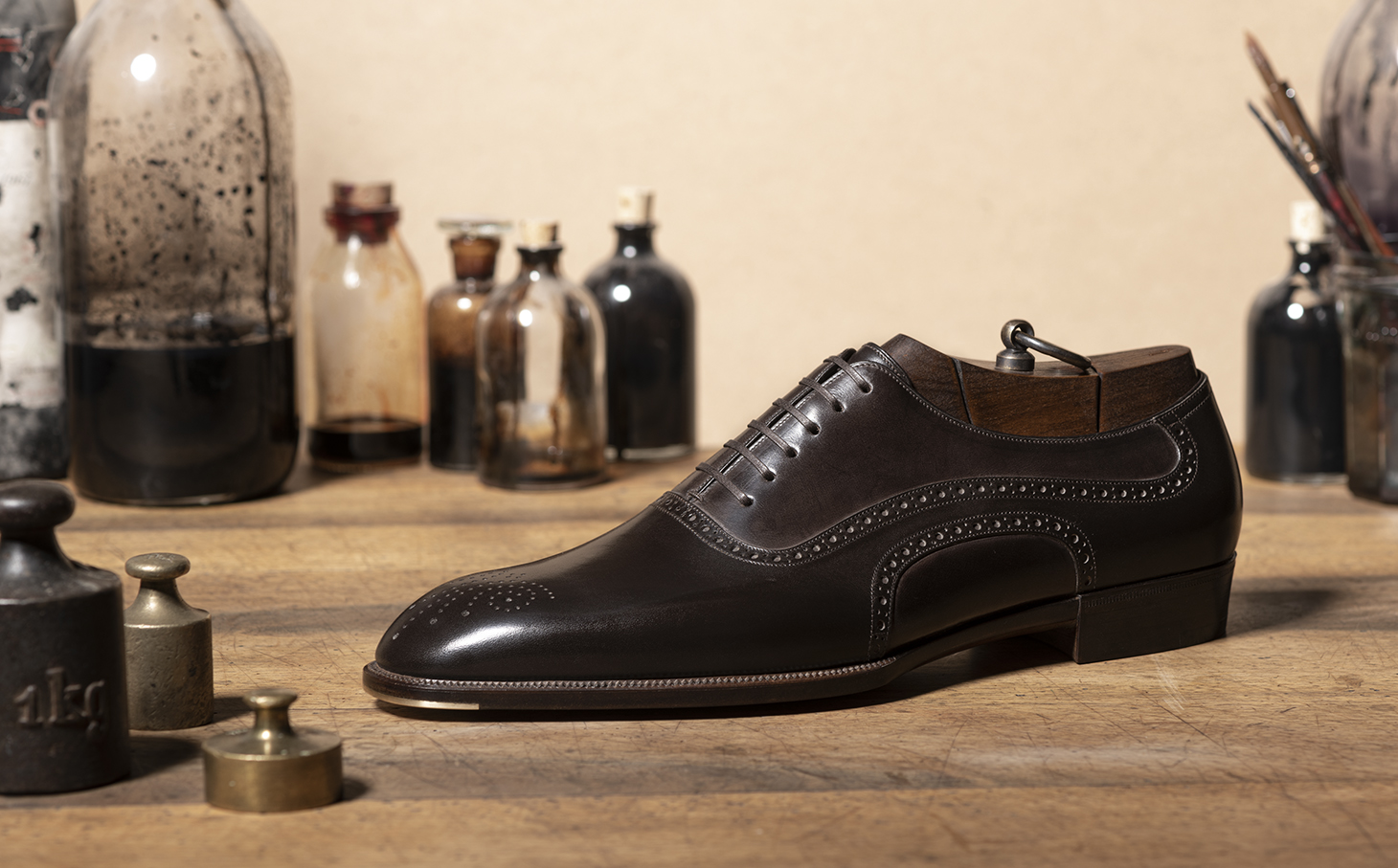
Even with classics like a cap-toe Oxford, he redesigns from zero. A longer cap feels modern and extrovert; a shorter one reads quieter and elegant. Small shifts profoundly change the expression.
Some clients know shoes deeply, others prefer guidance. Frei helps each decide what to choose and what to leave to the maker. The final work reflects both the client’s influence and the maker’s aesthetic, aiming for “striking masterpieces guided by beauty and perfection.”
Winning the 2018 World Championship
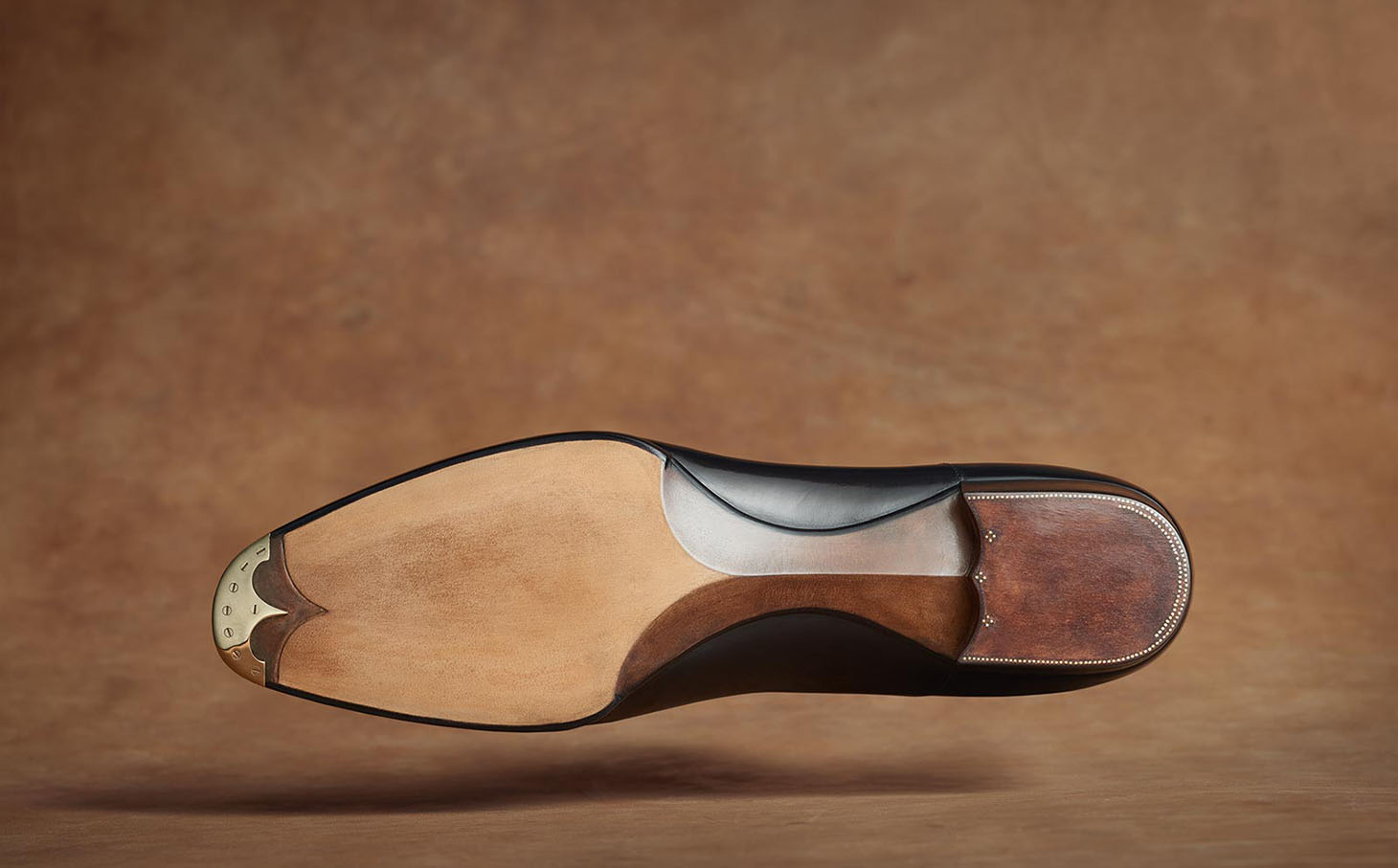
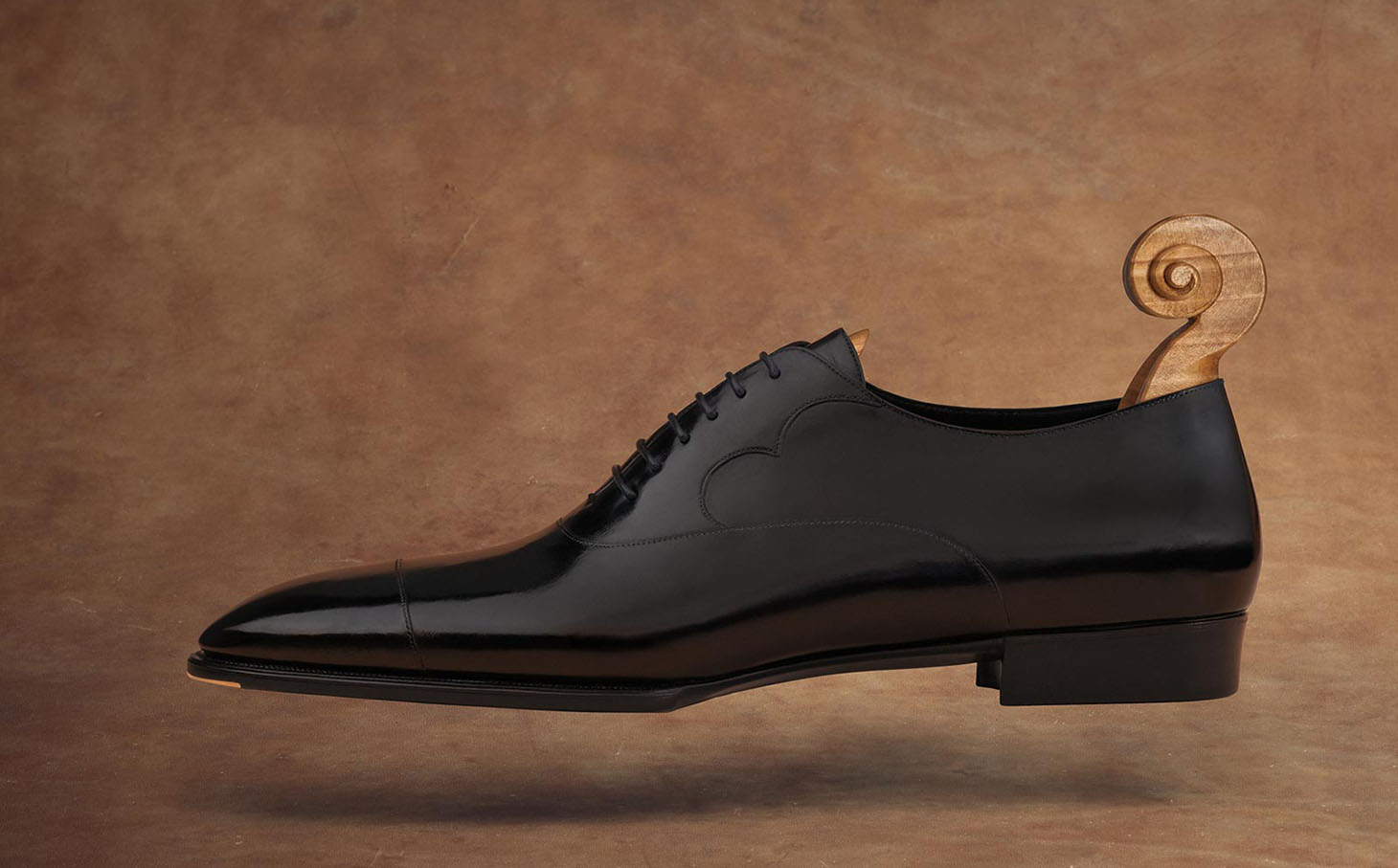
At the first World Championship in Shoemaking (2018, London’s Super Trunk Show), Frei won the inaugural title with a black box-calf cap-toe Oxford built to strict specifications. Entries were anonymized and judged by an international panel; his pair stood out for depth of make and detail.
Competing against renowned makers, he took first among roughly thirty finalists. The shoe featured ultra-fine outsole stitching, decorative nail work around the heel, and brass toe and heel plates—classic at a glance, ingenious up close.
Total making time was ~160 hours plus ~40 hours for a sculptural three-piece shoe tree co-developed with a violin maker. The pair toured major cities afterward—New York, Chicago, Singapore, Seoul, Beijing, Hong Kong, Stockholm, Tokyo, Oslo, Geneva. In 2019, Frei served as a judge, and metal-accented heels became notably more common among entrants.
From juggler to shoemaker — an uncommon path
Born in 1981, Frei’s route was unusual: after high school he traveled the world as a street-performing juggler, then apprenticed with a traditional leather-trunk craftsman in Bolivia—an experience that sparked his love for leatherwork.
Back in Germany he trained under a master shoemaker (from 2005), then opened his Freiburg atelier around 2008. The workshop—near the main station in the Stühlinger Gewerbehof—houses century-old tools alongside living craft.
Recreating the 1900–1930 golden age techniques
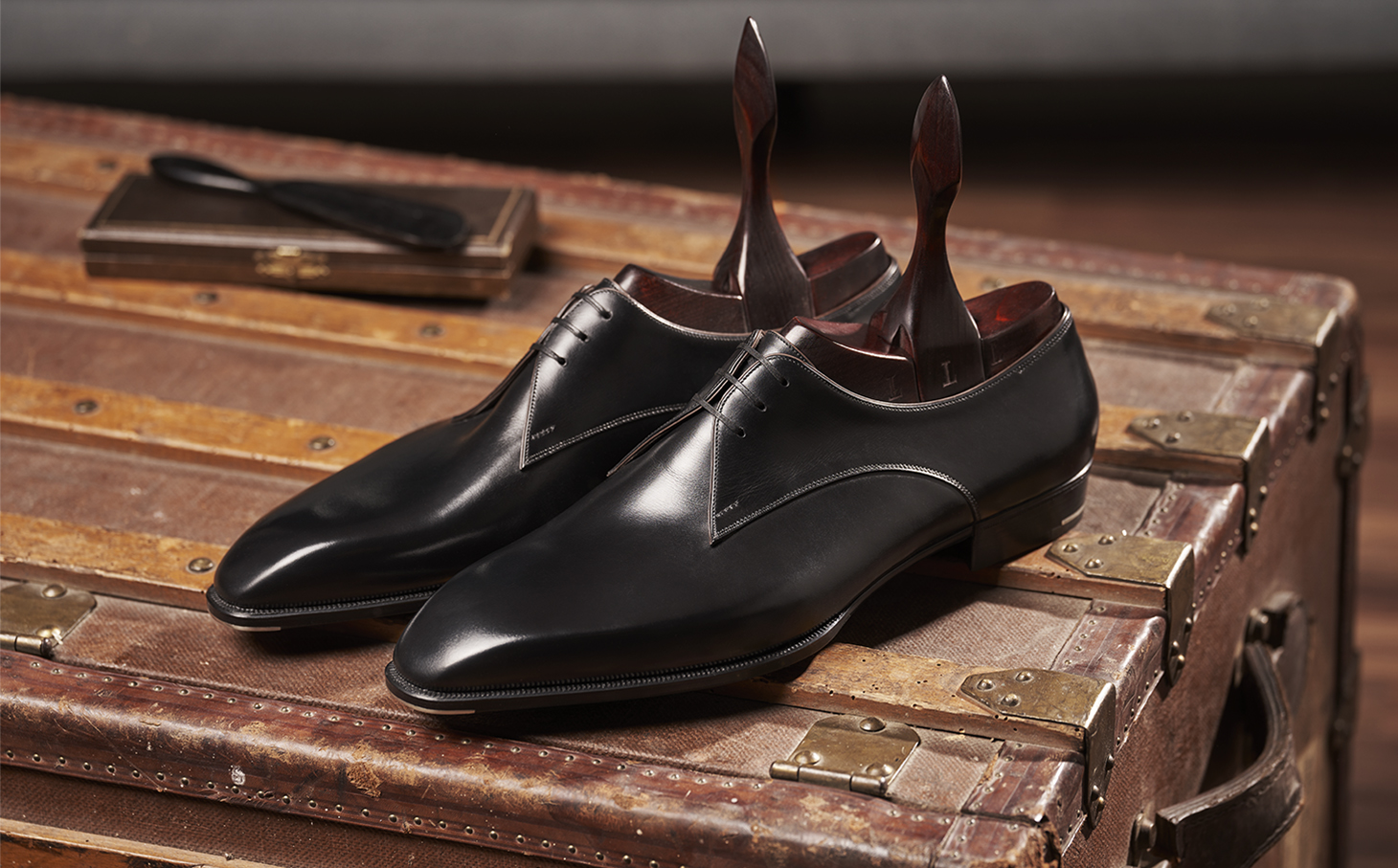
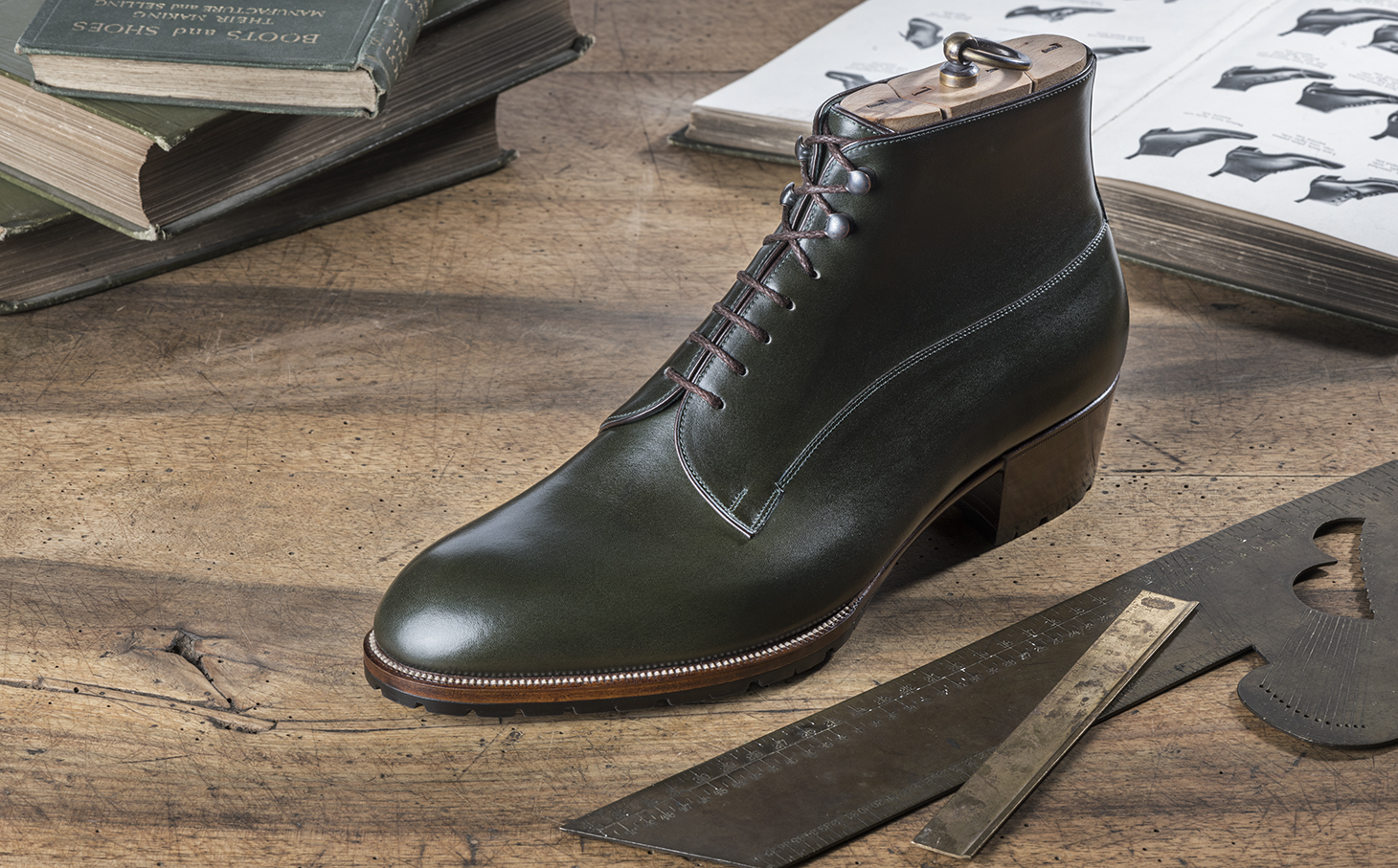
After training in Germany, museum windows from 1900–1930 captivated him—the peak when artistry and craft were inseparable. He traveled Europe to learn from many makers and revive old recipes and methods.
He believes shoemaking matured over centuries, peaking around 1900–1920 before mass production eroded quality. His aim: reclaim that standard and add original inventions—subtle lines, asymmetric lasts—so a classic never feels generic.
Handwork down to the thread itself
Frei twists flax or hemp, waxes with pitch and beeswax, and uses boar bristles as needles to make pechfaden—traditional hand-sewn thread. He even seals soles and heels with hot wax: details machines cannot duplicate.
Signature touches include a brass toe plate—a motif that influenced other makers after 2018.
A 40-minute measurement that sees the truth of the foot
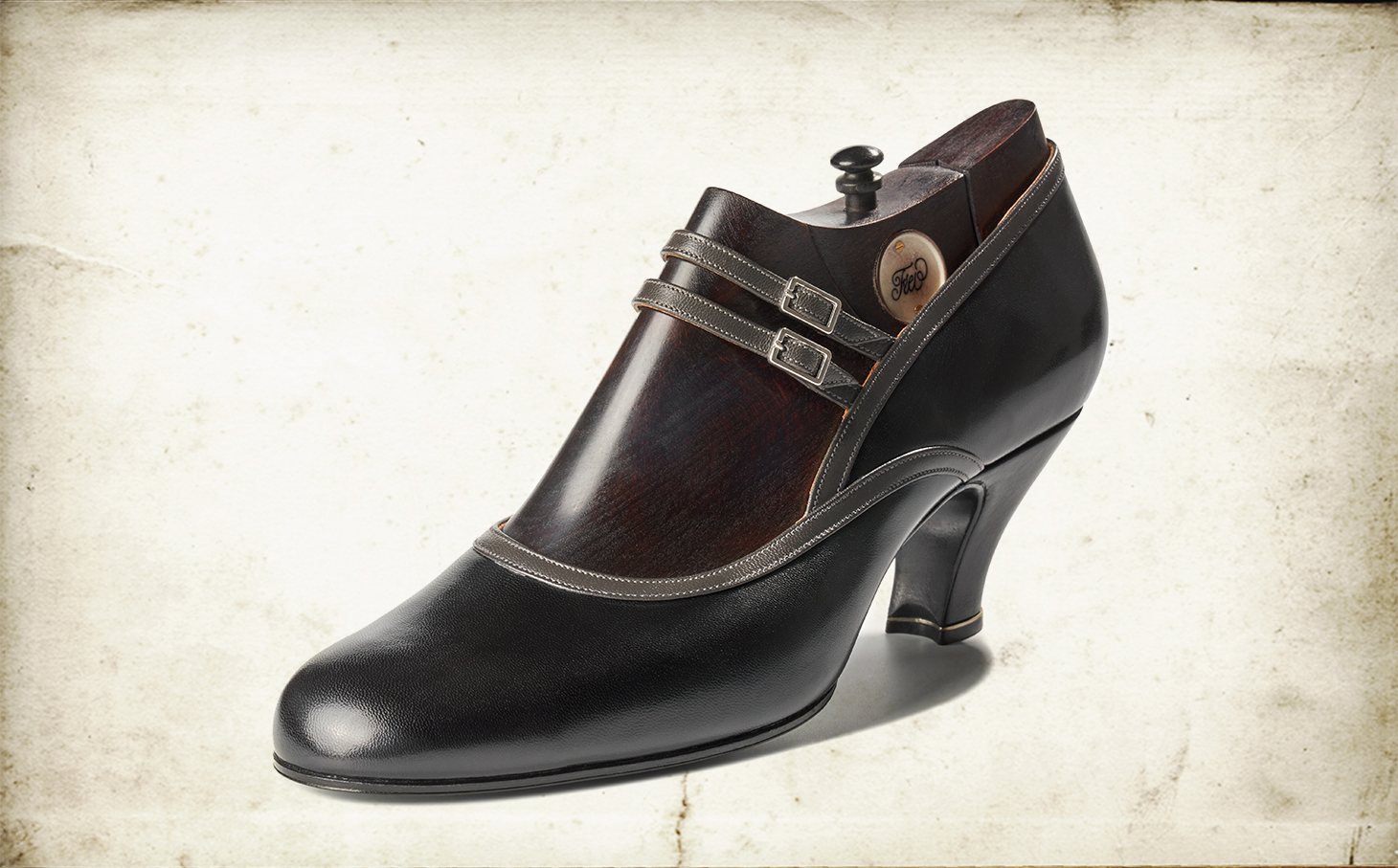
Bespoke proceeds in three visits. First meeting: purpose, preferences, pain points, then measurement. Frei inks foot impressions, records seated and standing dimensions, and gauges tolerance by tightening a tape then easing until discomfort disappears.
The approach captures shape, load changes, and comfort thresholds—data that informs design. Clients often remark on the thoroughness compared with other makers.
Three asymmetries in last design
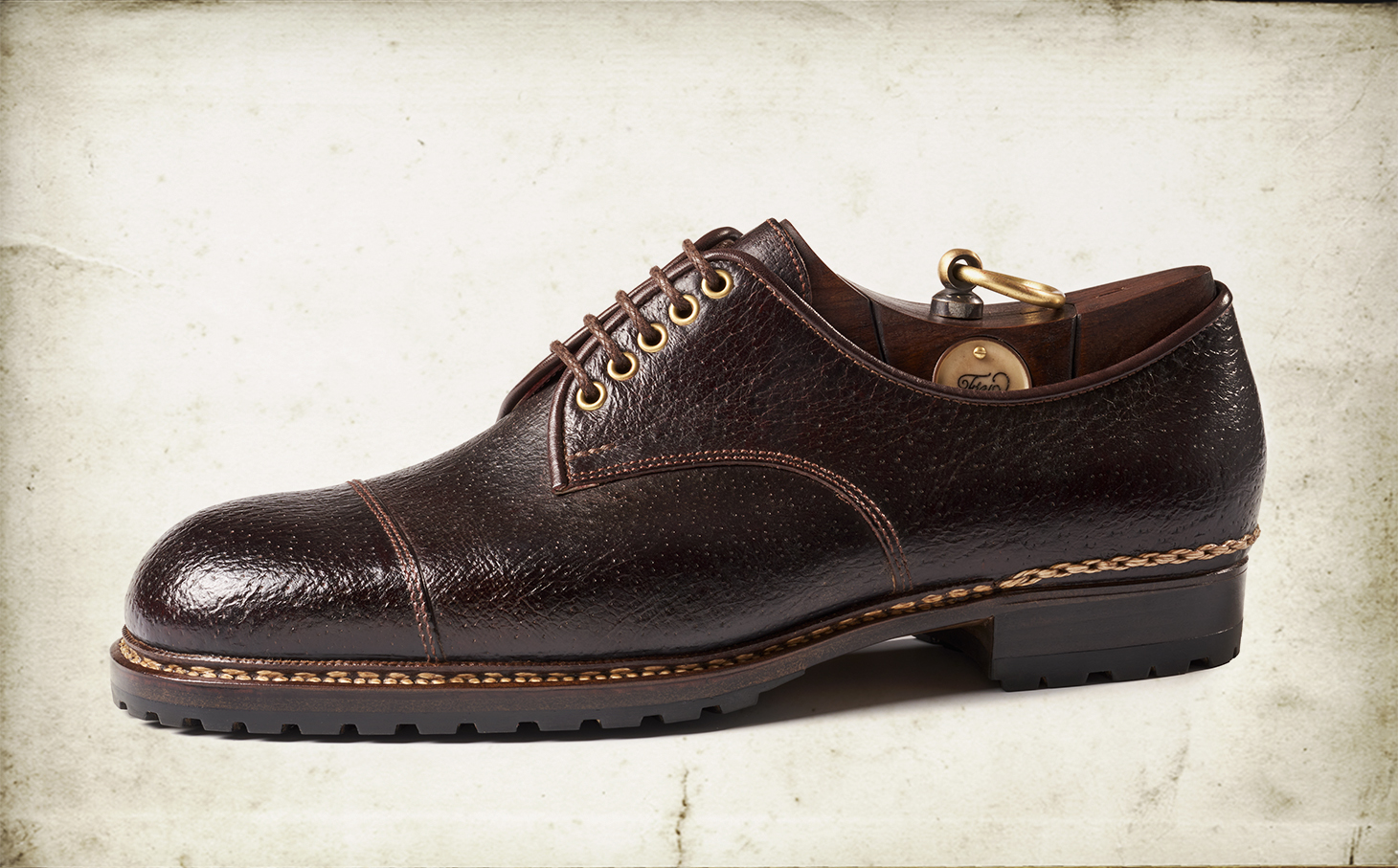
Frei carves each last from a special raw last that allows all shapes. Three asymmetries define his pattern: (1) a subtle torsion aligned to gait; (2) a slight banana plan view—straighter on the medial side for toe freedom; (3) a gentle drop on the lateral toe when viewed head-on for a better roll off. Anatomy and elegance meet in motion.
Perfecting fit with a leather trial shoe
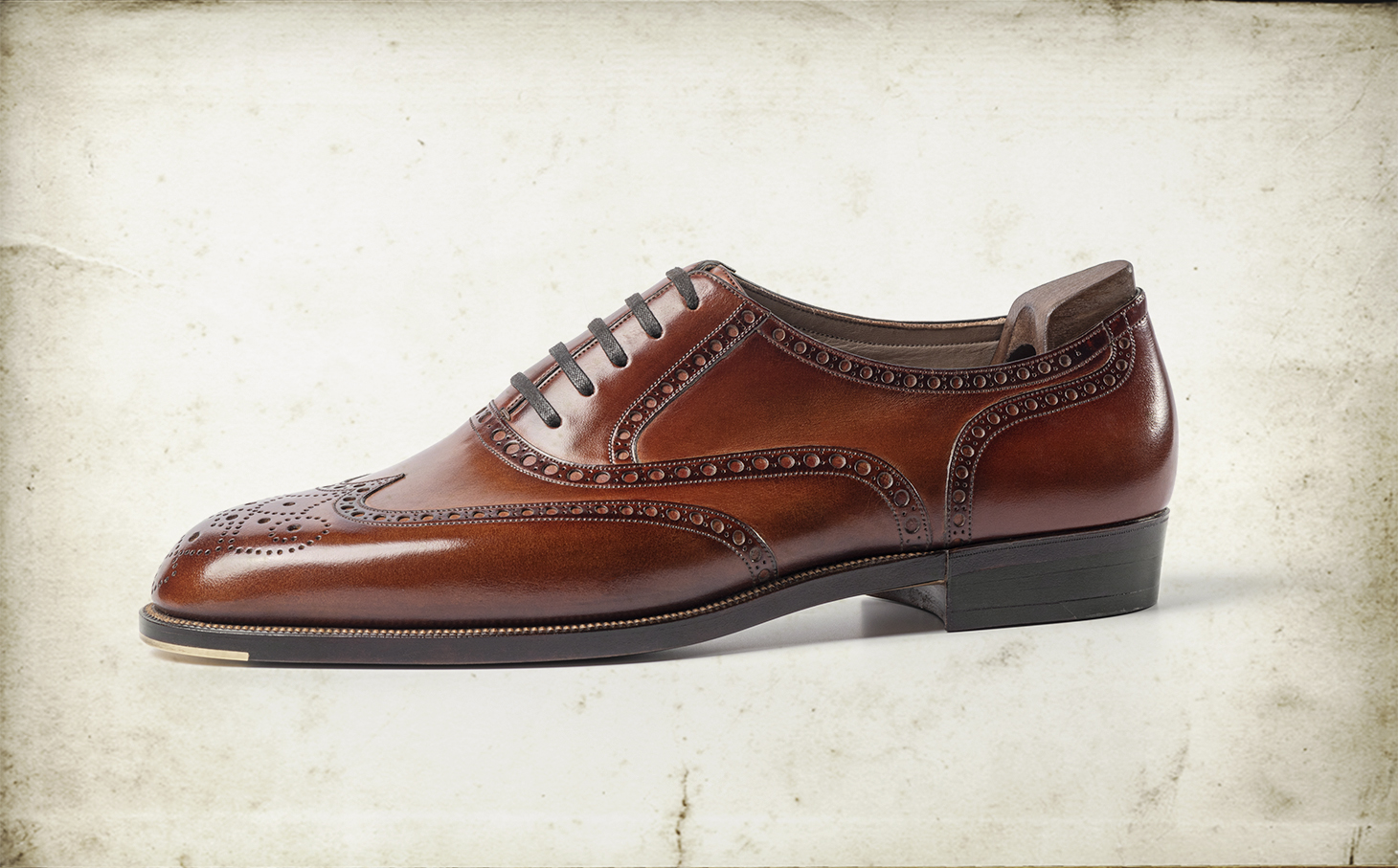
Second visit: a leather prova (trial shoe). Frei insists this step is essential for precise last tuning. Windows in the trial allow visual checks—toe freedom, arch contact, load behavior—before adjustments.
Many houses skip this phase; Frei considers it non-negotiable to ensure first-pair success.
Why design from zero each time (bespoke at its core)
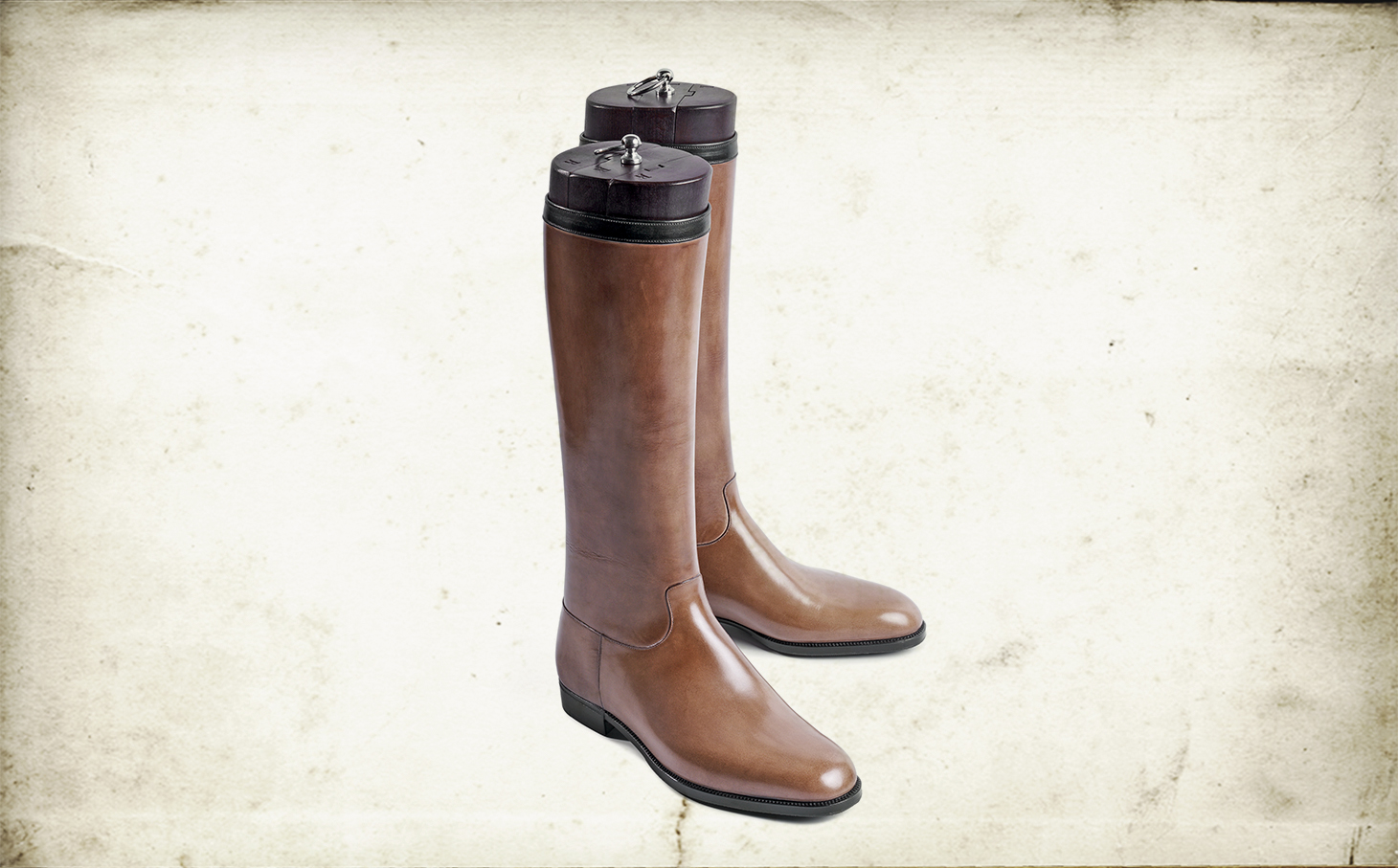
Because the last and the client are different every time, design must be reconsidered every time—cap length, curve, stitch position. The shoe expresses the person, not a template.
Clients choose how much to decide versus delegate; trust in the maker’s judgment is part of the process and outcome.
What 9–12 months really mean
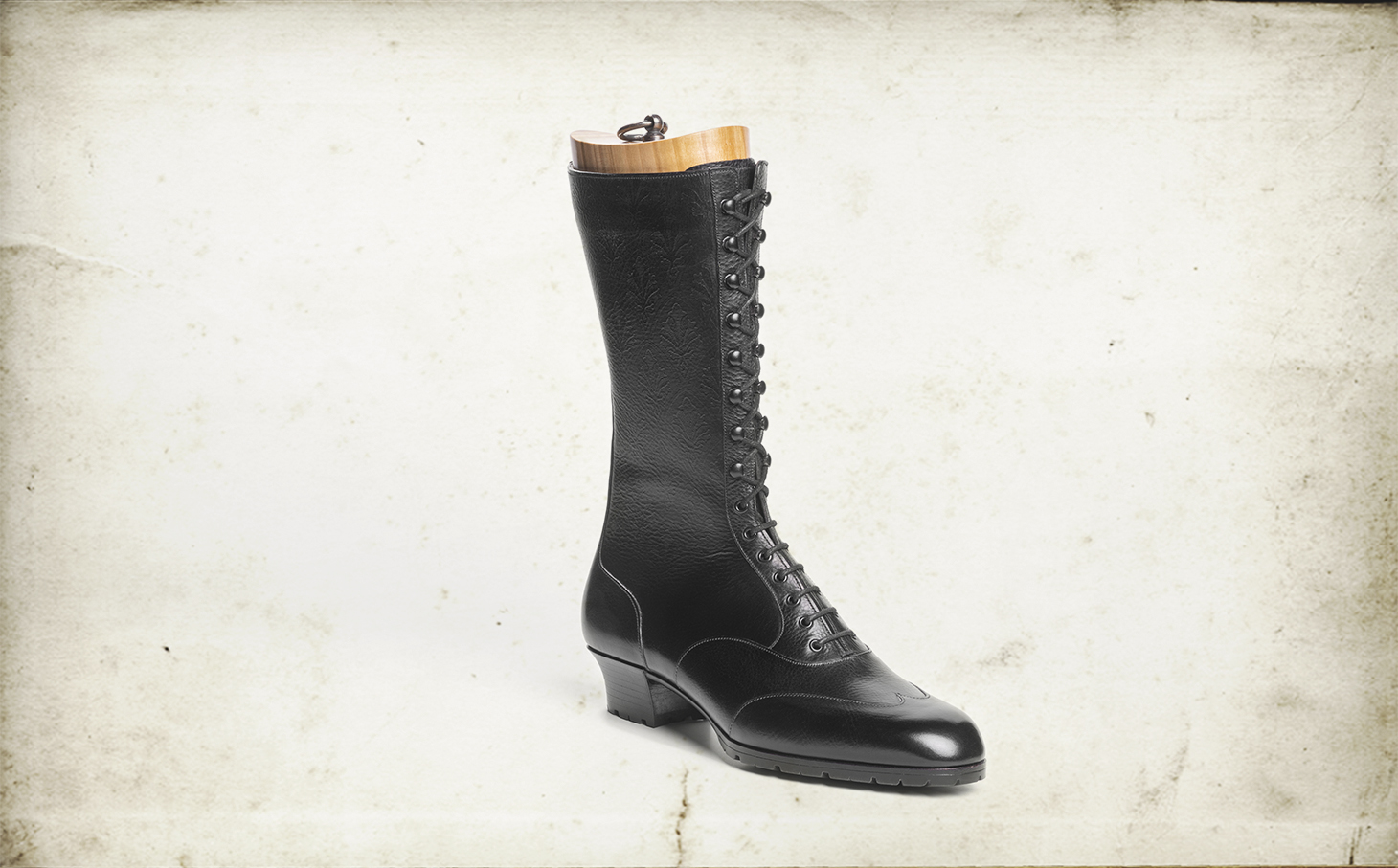
Lead time—often 6–8 months to the fitting appointment and ~9–12 months to delivery—reflects uncompromising handwork: hand-made thread, carved lasts, trial-shoe fitting. The championship pair alone took ~160 hours plus ~40 for the trees.
The time is not excess; it is the bond between maker, wearer, and object—the difference between merely excellent and truly personal.
Wait list and clients from afar
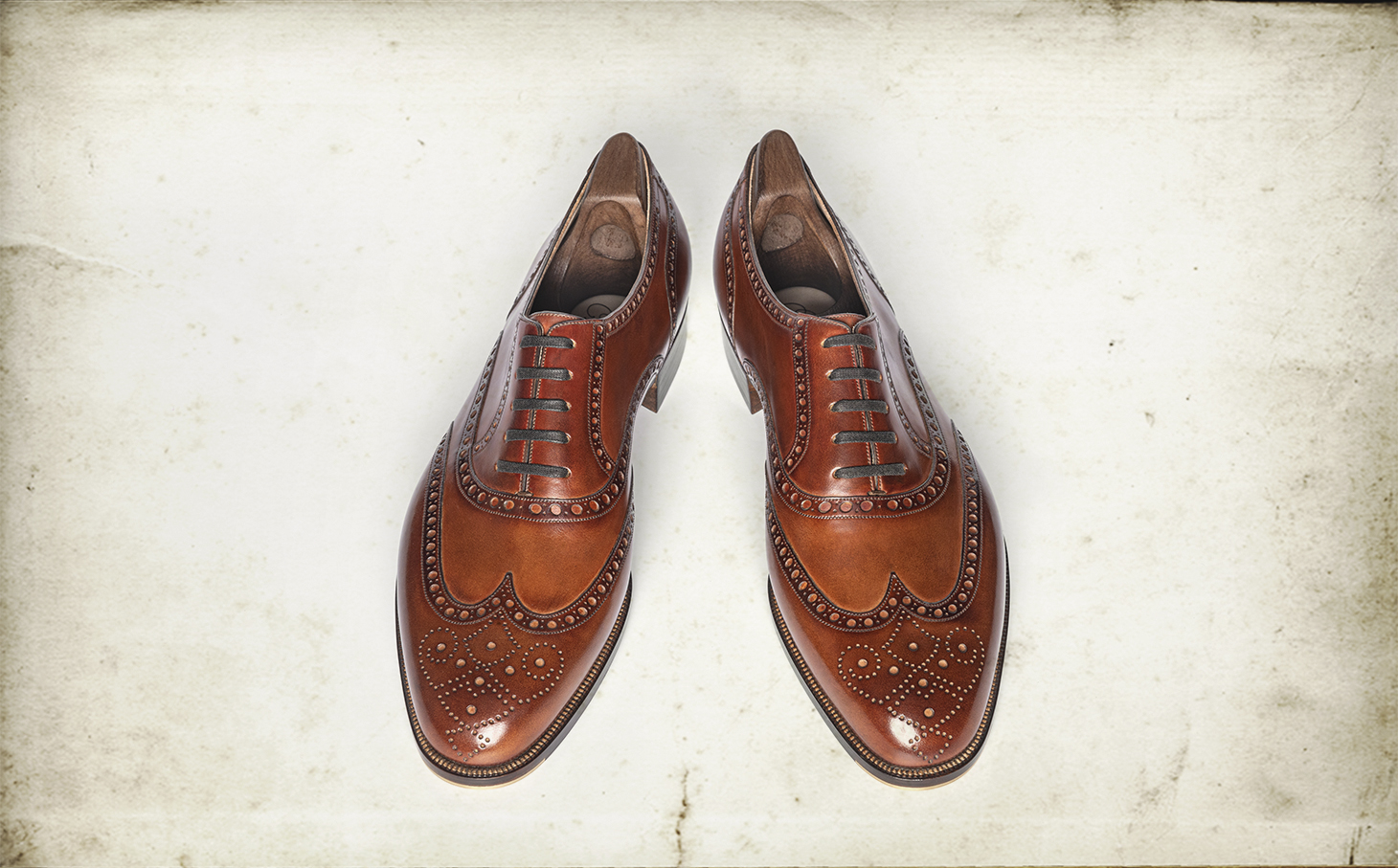
The atelier currently operates by reservation with new orders paused; a waiting list is available. Initial measuring and the first trial fitting are conducted in Freiburg; some overseas trunk shows occur, but Frei advises two to three in-person visits for a first pair.
Once your personal last exists, subsequent pairs receive a €500 discount and shorter delivery.
Passion for education
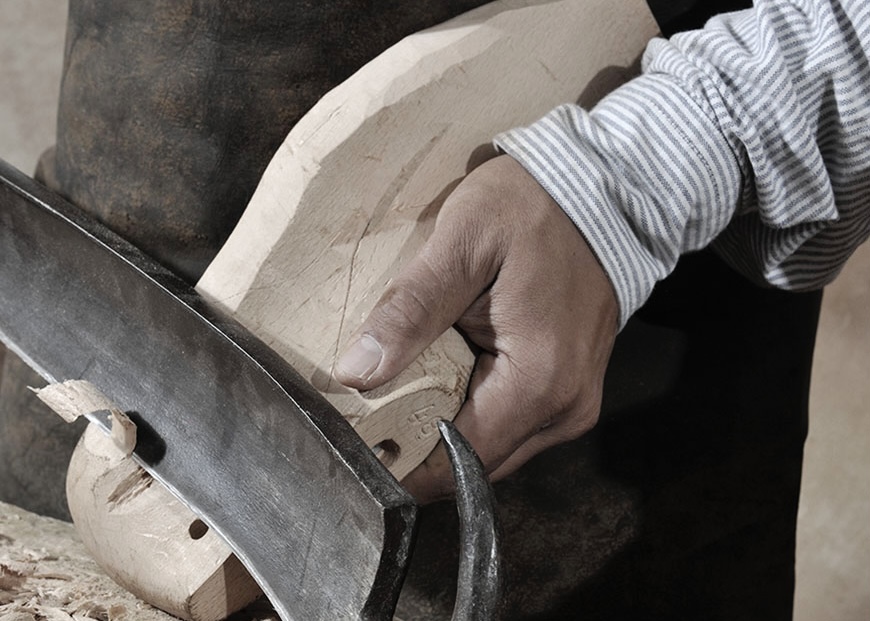
For seven years Frei has taught individual and group courses and developed a stepwise lastmaking system. Inquiries are welcome via email or Instagram. His atelier functions as a hub where makers from Japan and Europe exchange technique and perspective.
How to order — a trip to Freiburg
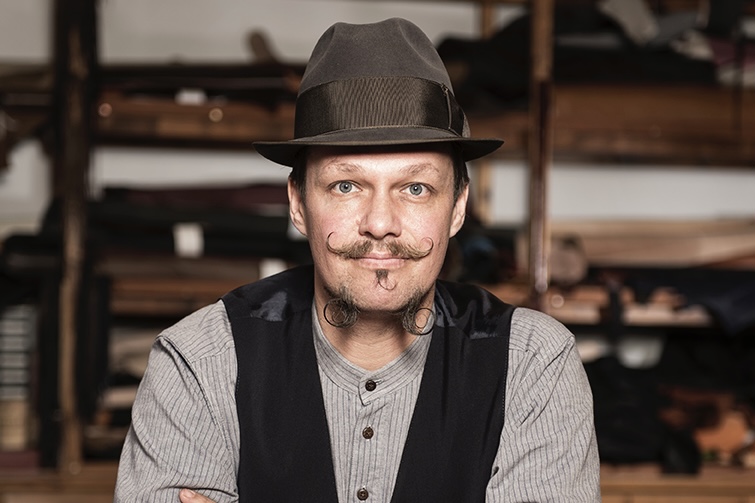
Orders are by appointment at the Freiburg atelier. New orders are paused; join the waiting list for notification.
Indicative pricing: lastmaking + trial + final pair from €6,200; subsequent pairs on the same last less €500.
Currency conversion not applied.
Contact: Ferdinand-Weiss-Str. 9–11, D-79106 Freiburg, Germany. Tel +49 761 2177030. Email patrick@freischuhe.de. Website https://www.freischuhe.de; Instagram @patrick.frei.bespoke.
Freiburg—at the edge of the Black Forest near France and Switzerland—is a beautiful university city. Visiting the atelier becomes part of the story; the shoes carry that memory as they accompany you.
Summary — toward a treasure that becomes part of the wearer
Hand-twisted thread, a 40-minute measurement, three asymmetries in the last, a trial shoe, and months of focused work. Together they shape a pair that feels like part of the wearer.
Rooted in the golden age yet unmistakably his own, Frei’s approach earned the 2018 world title and a global clientele. Even with a wait list, the journey is worth it.
For those who value “bespoke fitting” and hand-sewn welted construction, and for anyone seeking shapes and comfort unattainable in ready-to-wear, the work of bespoke shoemaker Patrick Frei is a compelling option. Including the experience of visiting Freiburg, the shoes become vessels that carry memories, and with wear they acquire a personal patina.
In conclusion—Frei’s shoes combine sculptural beauty, functional harmony, and the capacity to accompany you for the long term. The dialogue that begins with lastmaking goes beyond mere ownership and creates a relationship that grows in value as you walk. Let time help you cultivate a pair worth waiting for.
Sponsorship Information
“The Makers Guild” is an international community site that shares craft and shoe culture. We are currently welcoming sponsorships from partners who support our mission.